

- September 16, 2026
- No Comments
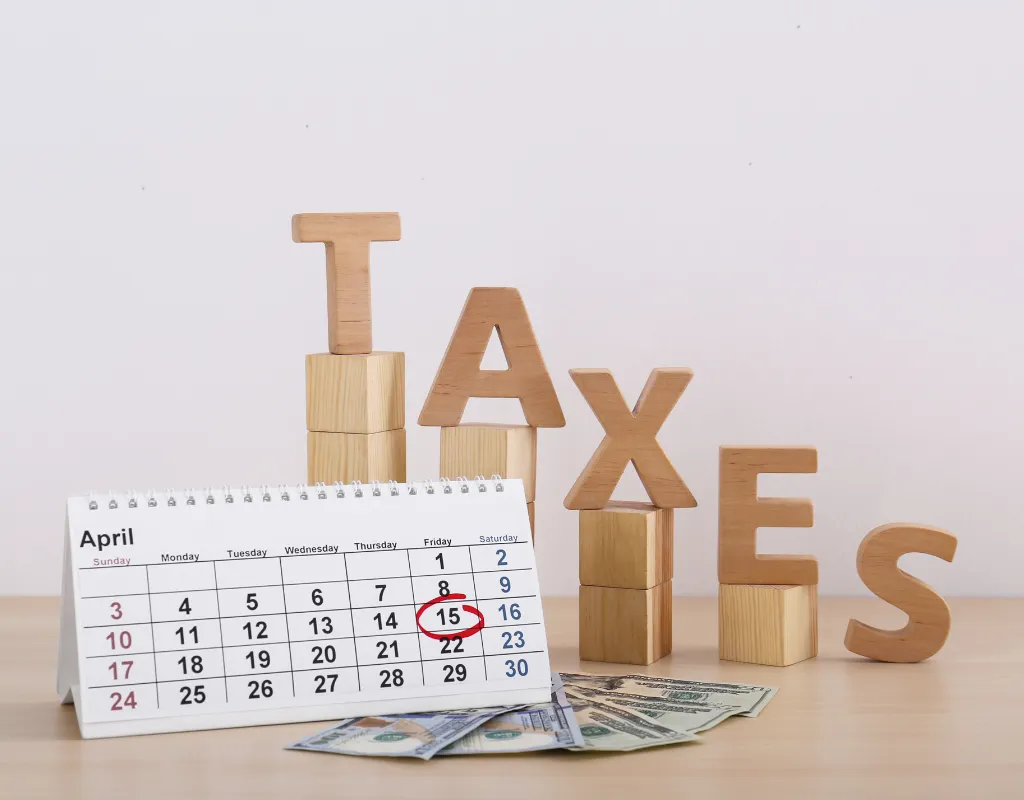
Money in Japan doesn’t flow out evenly across the year—and knowing the Japan tax payment schedule ahead of time is what lets you handle a sudden bill without panic. Once you know when things are due, you can prepare and stay calm.
Live in Japan for a while, and you’ll hit stretches—May and June especially—where tax notices land one after another and your budget suddenly tightens. Unlike income tax and social insurance, which come straight out of your salary, car tax and property tax can arrive as bills running into tens of thousands of yen.
One reason the load bunches up is that each tax and premium has its own payment schedule. Some are due once a year, some four times, some ten—so several can fall in the same month.
In this guide, certified financial planner Masamichi Takayanagi breaks down why payments cluster, the full year’s payment calendar, how to prepare in your household budget, and the payment methods and discounts worth knowing.
About the Supervisor & Writer
Supervisor
Masamichi Takayanagi
Financial Planner & columnist;
An independent financial planner with extensive experience as a financial columnist, specializing in a wide range of topics including asset management, life insurance, inheritance, loan products, and credit cards. Over 1,000 articles and projects have been contributed to the field.
1st grade Certified Skilled Professional of Financial Planning, Certified Financial Planner®.
Table of Contents
Chapter 1: Why Japan Has "Expensive Months"
Payments in Japan bunch up in certain months because each tax and premium has its own timing. Income tax and, for company employees, social insurance come out of your salary every month—but taxes like car tax and property tax arrive as a notice at a set time of year.
Residence tax adds to this. It’s calculated on your income from January to December of the previous year, and for salaried workers on special collection, it switches to the new year’s amount each June.
National Health Insurance premiums work similarly—set partly on your previous year’s income, with payments starting around June in many municipalities. That said, the number of installments and the starting month vary by municipality, so it isn’t uniform.
Each tax also has its own reference date: car tax is charged based on April 1, while residence tax and property tax are based on your situation as of January 1. When all of this overlaps, spending tends to swell around May and June. Know it in advance, and it becomes a “planned expense” rather than a nasty surprise.

Chapter 2: Your Japan Tax Payment Schedule, Month by Month
It helps to split the year into three phases: the crunch from April to June, a quieter stretch from July to November, and the year-end from December to March.
Due dates vary by municipality and year, so always check your tax notice and your city’s official information.
April to June: The Heavy Stretch
This is the toughest stretch for most households.
April — Some cities set the first property tax installment. In Yokohama and Nagoya, the fiscal 2026 deadline was April 30.
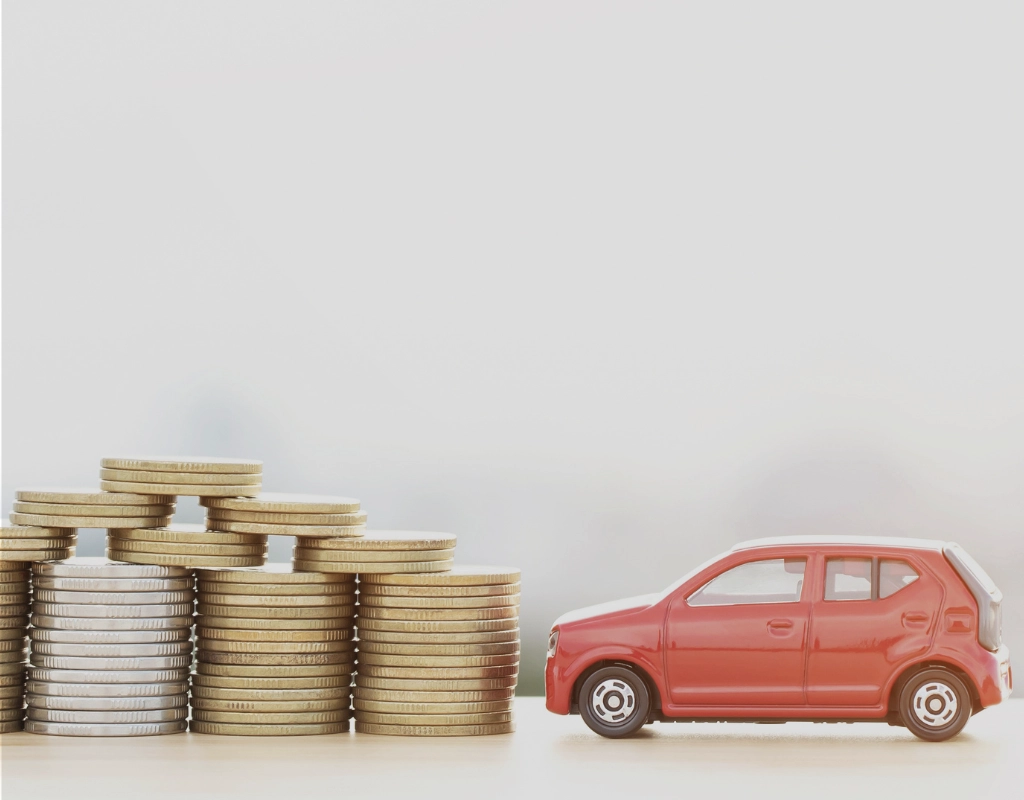
May — Your car tax notice arrives. It’s charged to whoever owned the car on April 1, and it’s usually due by the end of May. (In 2026, May 31 was a Sunday, so some prefectures moved it to June 1.)
Car tax depends on engine size. For a private passenger car first registered from October 2019:
- 1,000cc or under: ¥25,000/year
- Over 1,000cc to 1,500cc: ¥30,500/year
- Over 1,500cc to 2,000cc: ¥36,000/year
A four-wheel kei car (first inspected from April 2015) is ¥10,800/year at the standard rate. The amount can shift with the car’s age and environmental rating.
June — Residence tax switches to the new year’s amount. If it’s taken from your salary, it’s spread over 12 payments, June to next May. If you pay it yourself, the basic schedule is June, August, October, and January—exact dates set by your city.
National Health Insurance also starts around June in some areas. Yokohama, for example, uses 10 payments from June to March. It’s not the same everywhere.
July to November: The Quieter Stretch
Compared with early summer, these months can feel lighter—but the installments keep coming.
Property tax deadlines vary by city, so watch yours. For land and buildings in Tokyo’s 23 wards, it’s split into four: June, September, December, and February (March in fiscal 2026).
If you pay residence tax yourself, you’ll usually hit deadlines in August and October too. Paying National Health Insurance yourself means monthly or several installments through this period as well.
If you pay your NHK fee by direct debit every two months, it comes out on the 26th of even-numbered months, as a rule—¥2,200 for a terrestrial contract, ¥3,900 for a satellite one.
This calmer stretch is exactly when to build up savings for next year’s car tax and property tax.
Related Post
December to March: The Year-End
Property tax and residence tax deadlines continue through this period too.
December — Some cities set a third property tax installment. In Kobe, the fiscal 2026 deadline was December 25.
January — If you pay residence tax yourself, the fourth installment often falls due in January. Depending on the city, property tax may have a fourth installment around February.
February–March — Income tax filing runs, as a rule, from February 16 to March 15 the following year. If the last day is a weekend or holiday, it extends to the next business day. For 2025 income, the filing and payment period was February 16 to March 16, 2026; with direct-debit payment (furikae nozei), the debit date is April 23.
If you own a car, factor in your shaken (vehicle inspection) too. For private passenger cars, it’s three years for a new car, then every two years after. Shaken brings statutory costs—compulsory insurance, vehicle weight tax—plus inspection and maintenance. The total varies a lot by car and by what needs fixing, so it’s best not to budget from a single ballpark figure.
Compulsory insurance rates change from November 1, 2026: for a 24-month contract, ¥18,560 for a private passenger car and ¥18,660 for a kei car subject to inspection.

There are three main ways to prepare for the heavy months:
- Total up your big annual payments, divide by 12, and save that much each month
- Set aside the shortfall from your bonus
- Use direct debit so you never forget a payment
Combining saving with automation makes the early-summer bill rush far easier to handle.
Save One-Twelfth Each Month
The simplest approach: add up the big payments you expect over the year, divide by 12, and move that amount into a separate account every month.
Take a household with these payments:
- Car tax: ¥36,000/year
- Property tax: ¥120,000/year
- Shaken savings: ¥60,000/year
- Total: ¥216,000
Divided over 12 months, that’s ¥18,000 a month.
Keep it in your everyday account and you’ll likely spend it. A separate account just for annual costs—tax, car, housing—is easier to manage. Set up an automatic transfer for right after payday, and you won’t even have to move the money yourself.
In your first year, start by checking last year’s tax notices and shaken receipts, and writing down what you’ll need for the whole year.
Set Aside the Shortfall from Your Bonus
If saving enough each month is hard, you can cover the gap from your bonus.
But avoid fixed percentages like “10% of your bonus” or “15%.” Car tax, property tax, and bonus amounts differ hugely between households. Instead, total your big annual payments, work out how much your monthly saving won’t cover, and set that shortfall aside from your bonus—it fits your actual budget far better.
The key is to decide how much to reserve for tax before the bonus arrives, rather than seeing what’s left afterward.
Use Direct Debit to Avoid Missed Payments and Late Fees
Direct debit is a good way to avoid forgetting a payment. It cuts out trips to the convenience store or bank with a payment slip, and lowers the risk of missing a deadline.
Miss a deadline and late fees generally apply. In Tokyo in 2026, the rate is 2.8% a year up to one month after the deadline, then 9.1% a year after that—though the calculation follows rounding and other rules.
Also, if your balance is short, some municipalities won’t retry the debit. Check your balance before the debit date. Debit dates for property tax and National Health Insurance vary by municipality, so noting your payday and debit dates on the same calendar helps you see your cash flow for the month.
Chapter4 : Payment Methods and Discounts
Some taxes and premiums are cheaper depending on how you pay. Two stand out—but weigh the discount against the cash you’d tie up.
National Pension’s Prepayment Discount
Pay National Pension premiums upfront by direct debit and you save. For fiscal 2026 (¥17,920/month), the main discounts are:
- Two years upfront: ¥17,370 off
- One year upfront: ¥4,510 off
- Six months upfront: ¥1,220 off
- Early payment (haya-wari): ¥60 off per month
The longer the prepayment, the bigger the saving—but two years at once means a large sum leaves early. No need to dip into your emergency fund; six-month prepayment or early payment work too. Check the Japan Pension Service for timing and eligible periods.
Cashless Payment and Discounts
If your local tax slip has an eL-QR code, you can pay via the “Local Tax Payment Site” or compatible payment apps. Credit cards work too, but a system fee applies—even with points, the fee can outweigh the reward, so compare first.
NHK fees drop if prepaid 12 months: ¥12,276 a year for terrestrial, ¥21,765 for satellite. Property tax and similar, though, usually give no discount for paying in a lump sum. Check the official information for each.
Related Post
Chapter5: Frequently Asked Questions About Japan's Tax Payment Schedule
Q. When do I pay residence tax?
If it’s deducted from your salary as a company employee, it’s spread over 12 payments, from June through the following May. If you pay it yourself (ordinary collection), the basic schedule is June, August, October, and January—though the exact deadlines are set by your municipality’s ordinances.
When you leave a job, special collection from your salary stops, and how you pay the balance can change. It depends on when you leave and whether you move to a new employer, so check with your workplace or municipality.
Q. Why are there so many payments in May and June?
The car tax deadline tends to overlap with the start of the new year’s residence tax and National Health Insurance premiums. Property tax deadlines also fall around April to June in some municipalities.
Not every household owes the same taxes—but if you have a car, own your home, and are on National Health Insurance, the early-summer load can be heavy. Using last year’s amounts as a guide, set money aside a few months ahead.
Q. Can I pay in installments or by direct debit?
Property tax and residence tax (ordinary collection) can generally be paid across several set installments. Many taxes support direct debit too—though the eligible taxes, how to apply, and the debit dates vary by municipality.
Many taxes offer no discount for a lump-sum payment, while National Pension does have a prepayment discount. If paying by the deadline is hard, don’t just leave it—contact your municipality’s tax consultation desk early, and they may be able to discuss options that fit your situation.
For highly individual points—like calculating your tax or whether you need to file—it’s reassuring to check with a professional such as a tax accountant.
Chapter6: Summary
In Japan, the Japan tax payment schedule works differently for each tax and premium, so several can land in the same month.
May and June are the peak: car tax coincides with the start of the new year’s residence tax and National Health Insurance. For households that also hit a property tax deadline then, it takes a sizable sum. July to November isn’t payment-free either, and December to March brings more property tax and residence tax deadlines, plus tax filing.
The clearest way to prepare is to total your big annual payments, divide by 12, and move that amount into a separate account each month. If you use your bonus, work back from the annual shortfall rather than a fixed percentage. Direct debit helps you avoid missed payments, and prepaying National Pension or your NHK fee can trim what you spend.
Deadlines and amounts vary by municipality, by year, and by what you own. Check the official information and the notices you receive, and build your own Japan tax payment schedule for the year ahead.
*This article is provided for general informational purposes only and does not constitute individual financial or legal advice. The figures shown here are based on the sources cited and will vary depending on your municipality, the assets you own, and the tax year. Information is accurate as of September 2026, and note that tax amounts, premiums, and due dates may change with future reforms. Payment deadlines, installment schedules, and available discounts differ by municipality and case by case, so please check your own tax notices, your municipality’s official information, or a qualified professional such as a tax accountant before acting on any information in this article.