


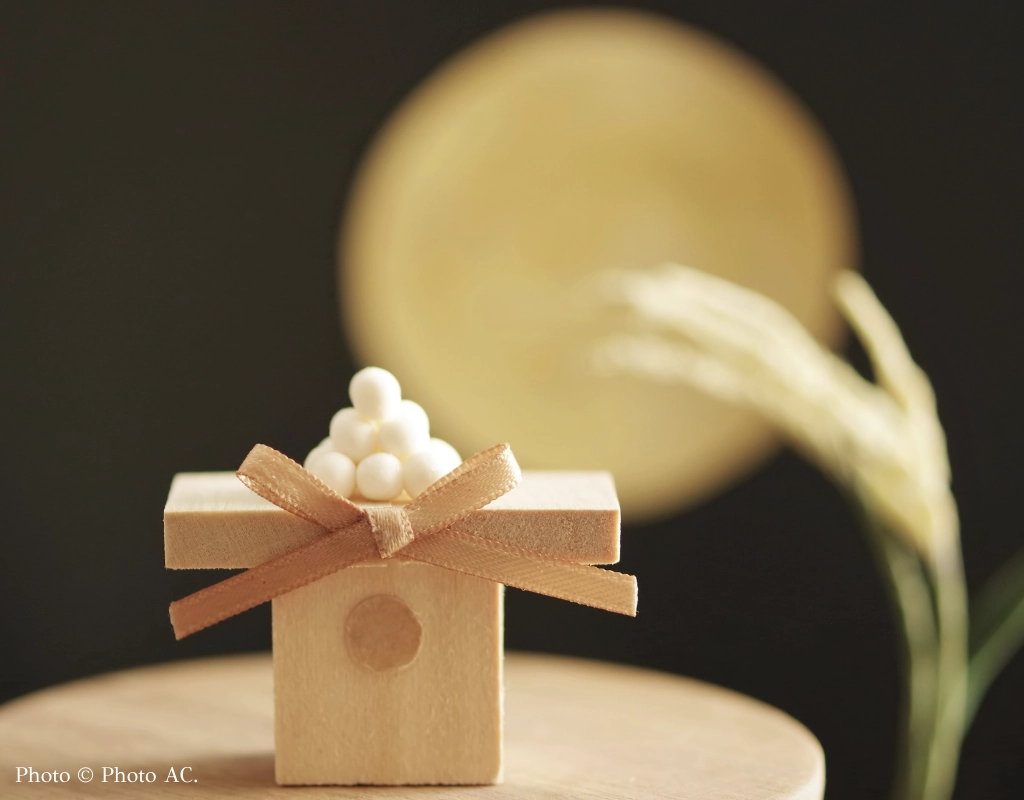
Have you experienced Tsukimi in Japan? お月見 (otsukimi), meaning “moon viewing,” is a cherished Japanese tradition that celebrates the beauty of the autumn moon. Often linked to 中秋の名月 (Chūshū no Meigetsu), or the Harvest Moon, Tsukimi takes place in mid-autumn to honor the full moon at its brightest.
Let’s explore this fascinating custom and discover how the Japanese celebrate Tsukimi with food, simple rituals, and a deep connection to the changing seasons.
If you’re interested in exploring more about Japanese culture and traditions, please take a look at below.
Table of Contents
About the Writer
Supervisor
belongingJAPAN
Author: belongingJAPAN
belongingJAPAN provides trusted insights on Japanese culture, traditions, and lifestyle, as well as professional guidance on essential topics such as finance, transportation, and daily living in Japan. With carefully researched information sourced from official data and expert knowledge, belongingJAPAN helps both residents and international readers navigate Japanese life with confidence.
Chapter 1: What is 中秋の名月 (The Harvest Moon)?
The 中秋の名月 (Chūshū no Meigetsu), or Harvest Moon, refers to the moon seen on the night of the 15th day of the 8th month in the old lunar calendar. It is said to be the most beautiful moon of the year. In the lunar calendar, autumn covers the months of July to September, and the middle of this season, the 15th day of the 8th month, was called “Chūshū,” meaning mid-autumn.
The moon that rises on this night is called the “mid-autumn moon” (Chūshū no tsuki). During this time, the air is clear, the autumn breeze is cool, and the moon appears particularly stunning. This is why it became known as the “Harvest Moon” (Chūshū no Meigetsu), celebrated for its beauty.

Due to the difference between the modern (Gregorian) calendar and the traditional lunar calendar, the date of 中秋の名月 (Chūshū no Meigetsu) changes every year. In 2026, it falls on September 25 (Friday). While many people assume that the Harvest Moon is always a full moon, this is not always the case. In 2026, the full moon actually occurs on September 27, two days after the Chūshū no Meigetsu. However, since the moon will be nearly full, it will still be beautifully visible in the night sky.
The moon that rises on this night is called the “mid-autumn moon” (Chūshū no tsuki). During this time, the air is clear, the autumn breeze is cool, and the moon appears particularly stunning. This is why it became known as the “Harvest Moon” (Chūshū no Meigetsu), celebrated for its beauty.
| Year | Date |
|---|---|
|
2026 |
September 25th, Fri |
|
2027 |
September 15th, Wed |
|
2028 |
October 3, Tue |
Chapter 3: What are the customs of 中秋の名月?
月見 / Tsukimi (Moon Viewing):
Tsukimi, which means “viewing the moon,” is a key custom during Chūshū no Meigetsu. The tradition of moon viewing became popular during the Heian period, influenced by Chinese culture. At that time, nobles would admire the beautiful moon while drinking sake and composing poetry.
As the tradition spread among commoners during the Edo period, Tsukimi took on a deeper meaning related to the autumn harvest. People began to express gratitude to the gods for the successful harvest of crops like rice. Since agricultural activities were closely tied to the lunar phases, Tsukimi evolved into a harvest festival. Under the bright moon, people would offer seasonal foods to the gods and give thanks for the abundance of the season.
月見団子 / Tsukimi Dango:
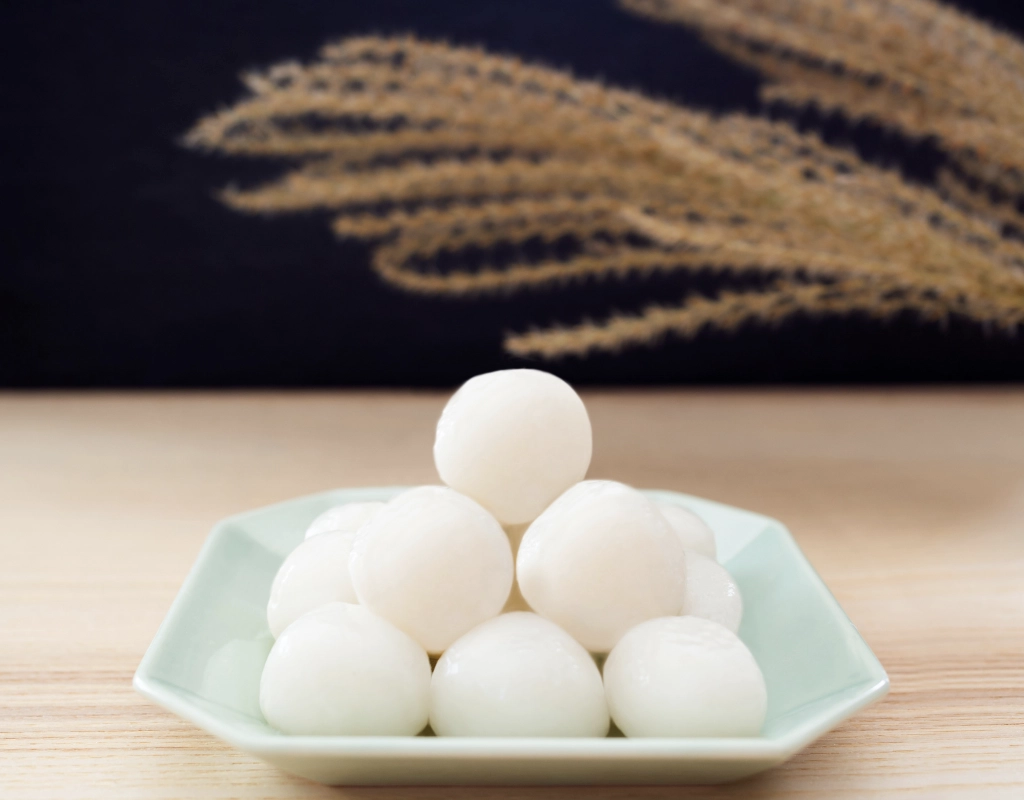
One of the most iconic images of Chūshū no Meigetsu is Tsukimi Dango, rice dumplings made as offerings to give thanks for the harvest. The tradition of making dango from freshly harvested rice reflects gratitude for the crop. It is common to stack 15 dumplings in a pyramid shape, symbolizing the connection to the 15th day of the 8th month in the lunar calendar. The number 15 is significant because Chūshū no Meigetsu was traditionally celebrated on the Jūgoya (十五夜), the night of the 15th. Hence, 15 dumplings are offered to honor the occasion.
If you want to know how to cook Tsukimi Dango, please take a look below.
Related Post
ススキ / Susuki (Pampas Grass):
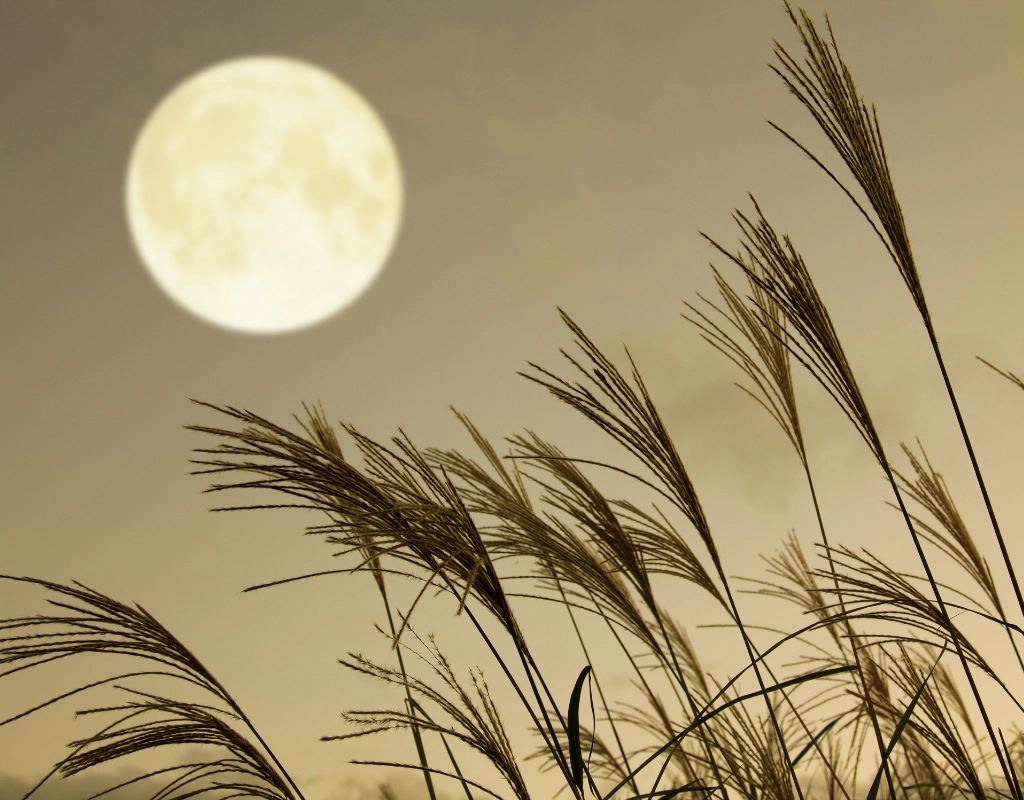
Susuki, or pampas grass, has long been considered a sacred object in Japanese culture, believed to house the gods. Its sharp edges were also thought to ward off evil spirits. During Tsukimi, decorating with susuki symbolizes protection of the harvest from bad spirits and wishes for a good crop the following year. Around this time of year, susuki is commonly sold at flower shops, and you can even find Tsukimi decoration sets, including susuki, at stores like 100 yen shops.
Chapter 4: How People Enjoy Tsukimi Today
Tsukimi has moved well beyond its traditional roots, and today people across Japan celebrate the harvest moon in playful, modern ways.
The most visible sign of the season is food. Every autumn, restaurants and fast-food chains roll out limited-time “tsukimi” menus, where a round egg stands in for the full moon. Tsukimi burgers, with a soft egg layered inside, are a seasonal favorite, and you’ll also spot moon-themed pizzas, rice bowls, and sweets in convenience stores and cafés. These items appear for only a few weeks, so autumn is the time to try them.
Beyond food, many people head out to enjoy the moon from a scenic spot. Historic gardens, riverside walks, and observation decks all become popular places to pause and look up. Hotels, towers, and temples across the country often hold special moon-viewing evenings, sometimes with telescopes, seasonal drinks, or moon-inspired art on display. Wherever you are in Japan, there are usually local gardens, parks, or events where you can enjoy the season.
Tsukimi is one of Japan’s most graceful autumn traditions — a quiet moment to look up, appreciate the season, and give thanks for the harvest. Whether you offer tsukimi dango and susuki at home, try a limited-time seasonal menu, or simply step outside to admire the moon, there’s no single right way to take part. In 2026, the harvest moon falls on September 25, so mark the date and find your own way to enjoy it.
Want seasonal guides and practical tips for life in Japan sent to your inbox?