


- July 3, 2026
- BELONGING JAPAN
Every July, department stores roll out dedicated gift sections and colleagues start casually dropping the word “Ochugen”お中元 into conversation. If you are living in Japan and not sure whether you are supposed to be doing something — you are not alone.
Here is the thing: most Japanese people are quietly opting out too. Around 90% know what ochugen is, but 44% have never given it, and another 23% used to and stopped. Only 22% give it every year. The most common reasons? It costs too much and takes too much effort (35.6%), it feels too stiff and formal (33.2%), and people simply do not know what to get (25.0%).
So before you stress about it — here is everything you actually need to know about ochugen in Japan, who still does it, what to give if you decide to join in, and whether you really need to bother at all.
Source: Ochugen Awareness Survey 2025 — Onward Kashiyama Co., Ltd. / PR Times
Table of Contents
About the Writer
Writer
Editor Team
This article is written by Ai, founder of belongingJAPAN — a Japanese professional who spent nearly a decade living abroad, giving her a balanced, firsthand view of Japanese customs from both sides.
For other topics, the site collaborates with certified experts and industry professionals to ensure accurate, reliable, and up-to-date information across travel, lifestyle, finance, and healthcare.
Chapter 1: What Is Ochugen in Japan?
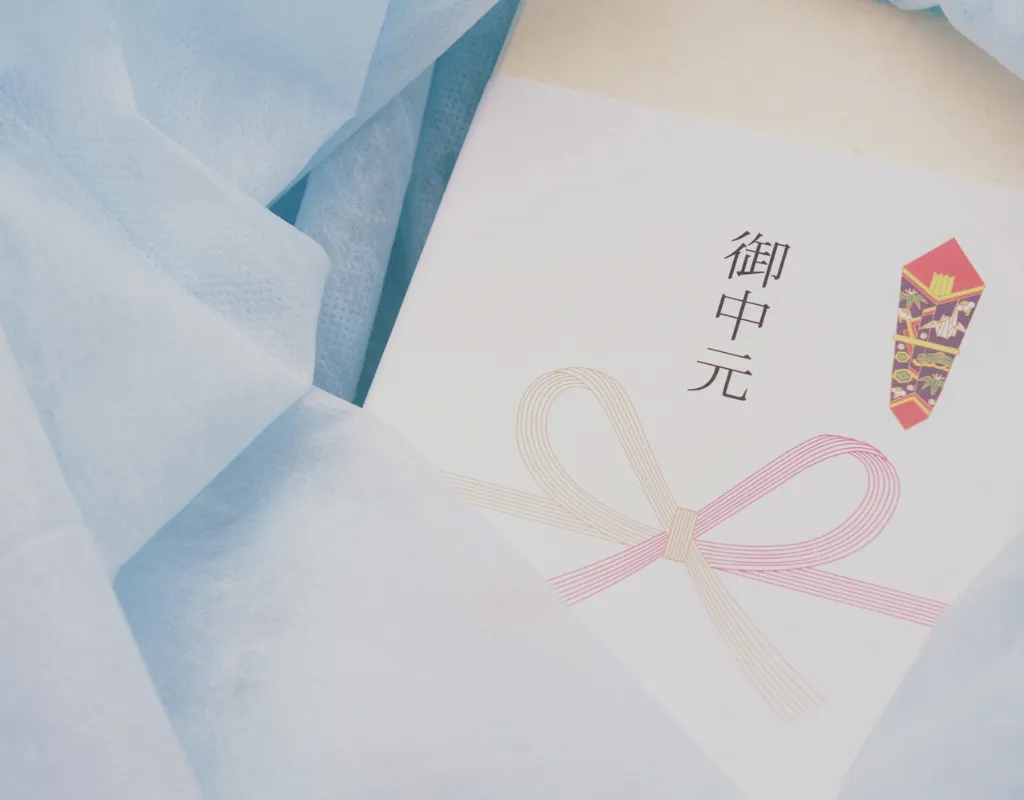
Ochugen in Japan is a traditional summer gift-giving custom where people express gratitude to those who have supported them — a boss, a landlord, a doctor, or anyone who has been good to them over the past year. Gifts are typically given between July and early August.
The roots of ochugen run deep. It originated from Zhongyuan, a Taoist festival in China, which gradually merged with Japan’s Obon traditions around ancestor veneration. By the Edo period, ochugen had become part of everyday life for ordinary Japanese people. It remains one of two major gift-giving seasons in Japan today — the other being oseibo in December.
Timing depends on where you are. In the Kanto region, the window runs from July 1 to 15. In Kansai and other parts of Japan, it can stretch into August. Miss the window and the gift simply changes name — 暑中見舞い (midsummer greetings) or 残暑見舞い (late summer greetings) — so there is always a way to send something even if you are a little late.

Chapter2: The Reality: Japanese People Are Sending Less Ochugen
The honest picture of ochugen in Japan today is this: the tradition is fading, but it has not disappeared — it is splitting in two.
According to the 2025 Ochugen Awareness Survey, close to 90% of people in Japan know what ochugen is, but only 22% actually give it every year. Another 23% say they used to give it but have since stopped, and 44% have never given it at all. When asked why, the top reasons were the cost and effort involved (35.6%), the sense that it feels too formal or old-fashioned (33.2%), and simply not knowing what to give (25.0%).
At the same time, the survey points to something interesting: those who still give ochugen are increasingly split between two mindsets. One group sticks to tradition — proper wrapping, appropriate items, correct etiquette. The other group treats it more casually, choosing gifts that reflect their own taste rather than following convention. In other words, ochugen in Japan hasn’t simply declined — it has become more personal and less obligatory for the people who still take part.
Source: Ochugen Awareness Survey 2025 — Onward Kashiyama Co., Ltd. / PR Times

Whether ochugen in Japan features in your life depends largely on where you work and who surrounds you.
Among older generations, in traditional Japanese companies, and in more conservative business environments, the custom remains firmly in place. In these settings, giving ochugen to a direct superior, a key client, or a family elder is still expected and genuinely appreciated.
Typical recipients include managers, business contacts, doctors, teachers, landlords, and a partner’s parents — relationships where there is a clear sense of ongoing gratitude or dependence.
At foreign-affiliated companies and startups, ochugen has largely faded from view, in line with the broader national trend toward opting out. Many of these workplaces have no expectation around it whatsoever. If you are trying to work out whether you personally need to give ochugen, the clearest signal is simply watching what the Japanese people around you are doing.
Chapter 4: What Is Typically Given?
Ochugen gifts in Japan lean toward consumables — things that get used up and do not create clutter. Popular choices include beer sets, jelly assortments, somen noodles, seasonal fruit, and tea. The typical budget sits between ¥3,000 and ¥5,000, though closer relationships or senior recipients may call for something toward the higher end.
A few things to steer clear of: knives and bladed items (associated with cutting ties), handkerchiefs (linked to funerals), and cash or gift vouchers when giving to someone above you — these can come across as impersonal or inappropriate.
From mid-June onward, dedicated ochugen sections appear in department stores across Japan. If you’d rather skip the crowds, Amazon Japan runs its own seasonal ochugen gift category every year with pre-wrapped sets ready to ship directly to the recipient.

Chapter 5: As a Foreign Resident: Do You Need to Give Ochugen?
The short answer: no, it’s not a must. As the data above shows, even in Japan, ochugen is something people are giving less and less — so there is no real obligation on you as a foreign resident either.
That said, it can be a nice thing to lean into rather than avoid. If there is someone who has genuinely looked out for you — a boss, a landlord, a doctor you see regularly — sending a small, thoughtful gift can be a lovely way to say thank you, and a good excuse to take part in a distinctly Japanese custom on your own terms. If you work in a traditional Japanese company where colleagues are visibly participating, joining in with something modest is also a simple way to show you are paying attention to the culture around you. At a foreign-affiliated company or startup, you can just as easily skip it without a second thought.
Frequently Asked Questions about Ochugen in Japan
What is the difference between ochugen and oseibo?
Ochugen and oseibo are the two main gift-giving seasons in Japan, and the main difference is timing and purpose. Ochugen is given in summer (July to early August) as a mid-year thank-you, while oseibo is given in December as a year-end thank-you to close out the year. Some people give both, some give only oseibo since it’s considered the more important of the two, and — as the data above shows — a growing number give neither.
What should I give for ochugen?
The safest choices are consumables that don’t require the recipient to do anything with them long-term — beer sets, jelly assortments, somen noodles, seasonal fruit, coffee or tea are all classic options. Avoid anything sharp (associated with “cutting ties”), handkerchiefs (associated with funerals), and cash or gift vouchers if the recipient is someone senior to you, as this can come across as impersonal.
How much should I spend on ochugen?
For most relationships, ¥3,000–¥5,000 is the standard range. If the recipient is someone particularly important to you — a direct boss, a major client, or a close mentor — it’s common to go slightly higher, though ochugen is not meant to be extravagant. The gesture matters more than the price tag.
* When you purchase products introduced in the content, a portion of the sales may be returned to belongingJAPAN.
*Prices and availability are subject to change. The prices listed above are as of June2026. For the latest details, please check Amazon.co.jp, and Rakuten.