


- October 5, 2025
- BELONGING JAPAN
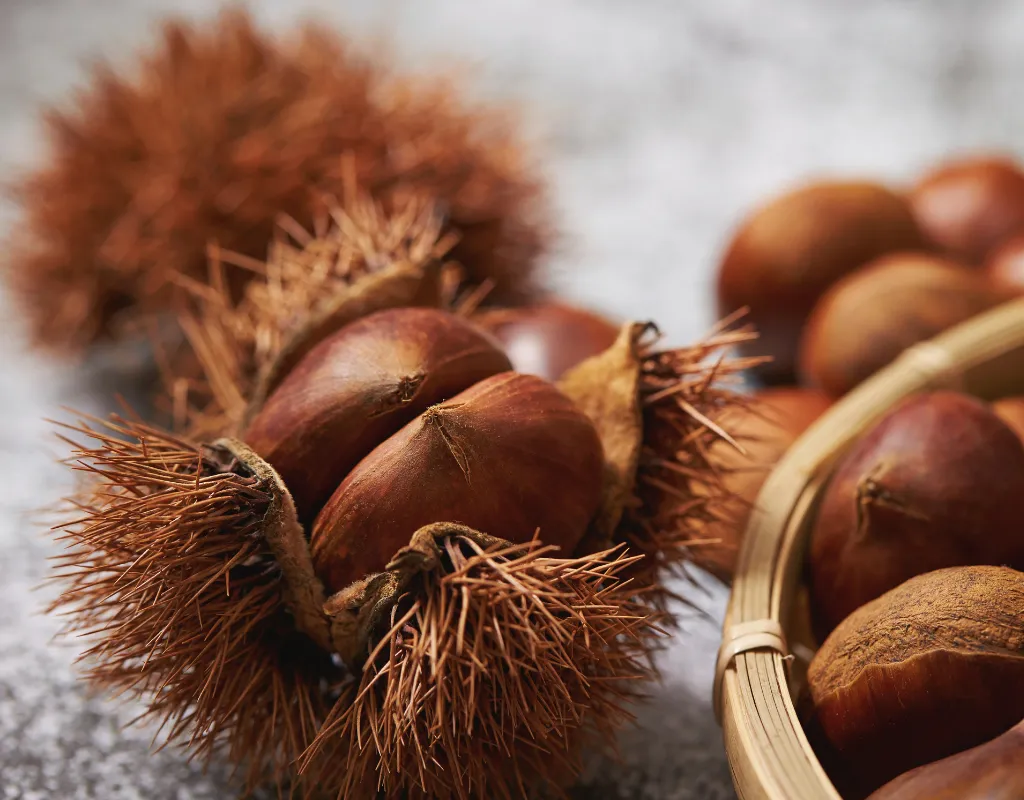
Chestnuts in Japan, known as kuri (栗), are a beloved symbol of autumn. When the air turns cool, the scent of roasted chestnuts (yaki-guri) drifts through the streets, marking the start of the season. More than just a snack, chestnuts are a cherished part of Japanese culture — enjoyed in both traditional and modern ways.
From kuri gohan (rice cooked with chestnuts) to kuri kinton (candied chestnuts) and elegant Mont Blanc cakes, these seasonal treats appear everywhere from family kitchens to fine patisseries. Beyond their comforting taste, chestnuts represent prosperity and the warmth of autumn in Japan. Whether discovered at a countryside festival, a street market, or a café in Tokyo, kuri perfectly captures the flavor and feeling of the season.
About the Writer
Supervisor
Editor Team
The content on belongingJAPAN is researched and written by a Japanese professional writer specializing in practical guidance for foreign residents in Japan.
For other topics, the site collaborates with certified experts and industry professionals to ensure accurate, reliable, and up-to-date information across travel, lifestyle, finance, and healthcare.
Who This Article Is For
This article is for travelers, food enthusiasts, and anyone curious about Japanese seasonal cuisine and culture. Whether you are exploring local markets, enjoying traditional sweets, or trying autumn-inspired dishes in restaurants, this guide will help you understand the flavors, history, and cultural significance of chestnuts in Japan.
Table of Contents
Chapter 1: History and Cultural Significance
Origins of Chestnuts in Japan
Chestnuts in Japan, known as kuri (栗), have a long history, appearing in classical Japanese texts such as the Kojiki, Man’yōshū, and Nihon Shoki. However, they became widely recognized nationwide during the Edo period (1603–1868). Chestnuts first gained fame as a local specialty around Kyoto and later spread across Japan through the sankin-kōtai system, in which feudal lords traveled regularly between Edo (Tokyo) and their domains. (Ministry of Agriculture, Forestry and Fisheries of Japan)
Tamba: Japan’s Most Famous Chestnut Region
Among the most famous chestnut-producing regions is Tamba in Kyoto Prefecture. The term “Tamba kuri” does not refer to a specific variety but to chestnuts grown in the Tamba region. These large, sweet chestnuts have a long history, enjoyed by nobles since the Heian period and highly prized during the Edo period as offerings to the shogunate and imperial court. Even today, Tamba chestnuts are recognized nationwide as a premium brand. (Ministry of Agriculture, Forestry and Fisheries of Japan)
Cultural Significance of Chestnuts in Japan
Chestnuts hold not only culinary but also cultural significance in Japan. There is a Japanese proverb, 「桃栗三年柿八年」(momo kuri sannen kaki hachinen), which literally means “Peaches and chestnuts take three years to bear fruit, while persimmons take eight years.” This saying conveys that achieving results requires time and effort, reminding people to continue working diligently.
Chestnuts also appear in songs and children’s culture. For example, 「大きな栗の木の下で」(Ookina kurino kinoshita de) is the Japanese version of the English song “Under the Spreading Chestnut Tree,” often sung in kindergartens. Introduced to Japan after World War II, it was translated into Japanese and is now a familiar childhood tune.
These examples show that chestnuts in Japan are valued not only for eating but also for their symbolic and educational significance, representing patience, growth, and seasonal joy.
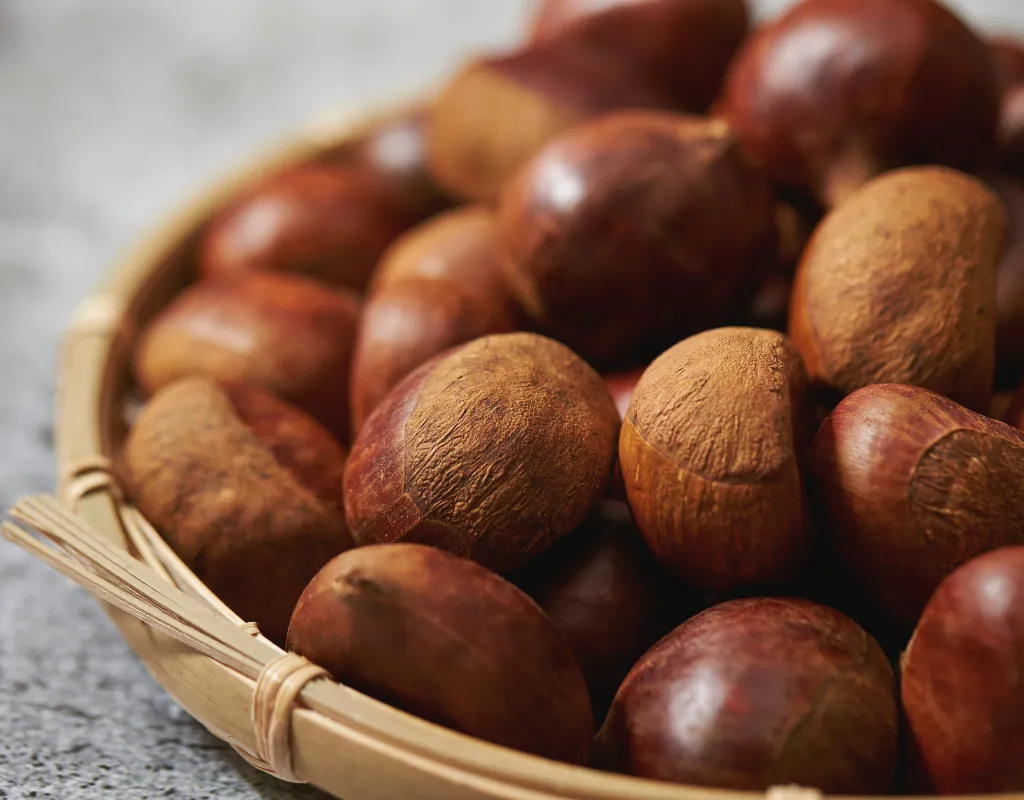

Japan boasts a rich diversity of chestnut varieties, each with unique characteristics suited to different culinary applications. These varieties are cultivated across various regions, contributing to the country’s rich chestnut culture.
Key Varieties of Japanese Chestnuts
1. Tamba Kuri (丹波栗)
Originating from the Tamba region in Kyoto Prefecture, Tamba Kuri is renowned for its large size and sweet flavor. Historically, it has been a delicacy enjoyed by the nobility since the Heian period and was prized as a gift to the shogunate and imperial court during the Edo period. Today, Tamba Kuri is recognized nationwide as a premium brand chestnut (Ministry of Agriculture, Forestry and Fisheries of Japan).
2. Hidaka Kuri (日高栗)
Cultivated in Hidaka City, Saitama Prefecture, Hidaka Kuri includes varieties like “Koraigawa Marron,” known for its large size, and “Hidaka Poron,” which is appreciated for its easily peelable skin. These chestnuts are often used in traditional dishes such as “Kuri no Shibukawani” (candied chestnuts with inner skin), a luxurious meal traditionally served during festivals and celebrations (Ministry of Agriculture, Forestry and Fisheries of Japan).
3. Porotan (ポロタン)
Porotan is a revolutionary Japanese chestnut variety that can be easily peeled to remove the astringent skin, making it convenient for cooking. It is known for its resilience to pests and diseases, excellent climatic adaptability, and alignment with consumer preferences. Porotan addresses distribution issues by offering improved shelf life and robustness in handling (Ministry of Agriculture, Forestry and Fisheries of Japan).
Chapter 3: Chestnut Season in Japan
Chestnut season in Japan runs from September to November, marking one of the most anticipated times of the year for lovers of autumn flavors. As the summer heat fades, markets and countryside towns begin to fill with the warm aroma of freshly roasted chestnuts. The peak harvest period varies slightly depending on the region and climate, but most farms begin gathering chestnuts in early autumn when the burrs naturally open to reveal the shiny brown nuts inside.
Related Post
Chapter4: How Chestnuts Are Eaten in Japan.
Chestnuts in Japan, known as kuri (栗), are enjoyed in a wide variety of ways — from simple roasted snacks to elegant wagashi and hearty rice dishes. Japanese cuisine celebrates the natural sweetness and soft texture of chestnuts, turning them into seasonal delicacies that reflect the country’s deep appreciation for autumn.
Snacks: Simple and Comforting Treats
One of the most traditional ways to enjoy chestnuts in Japan is as roasted chestnuts (yaki-guri). The aroma of freshly roasted kuri fills the air in autumn markets, signaling the arrival of the season. These warm, hand-roasted chestnuts are perfect for enjoying while walking through seasonal festivals or countryside markets.
Sweets: Wagashi and Modern Desserts
Chestnuts shine in Japanese sweets (wagashi) and modern desserts. Traditional examples include:
Kuri kinton (栗きんとん) – mashed sweet chestnuts blended with sweet potatoes, often served during New Year celebrations for prosperity.
Kuri yokan (栗羊羹) – red bean jelly studded with chestnuts, a classic wagashi enjoyed with tea.
Kuri manju (栗饅頭) – baked buns filled with smooth chestnut paste.
Modern pastries also include Mont Blanc cakes and other chestnut-based cakes. Because premium varieties like Tamba Kuri are rare and expensive, these sweets are considered luxury treats and are often given as seasonal gifts.
Savory Dishes: Comfort from the Japanese Table
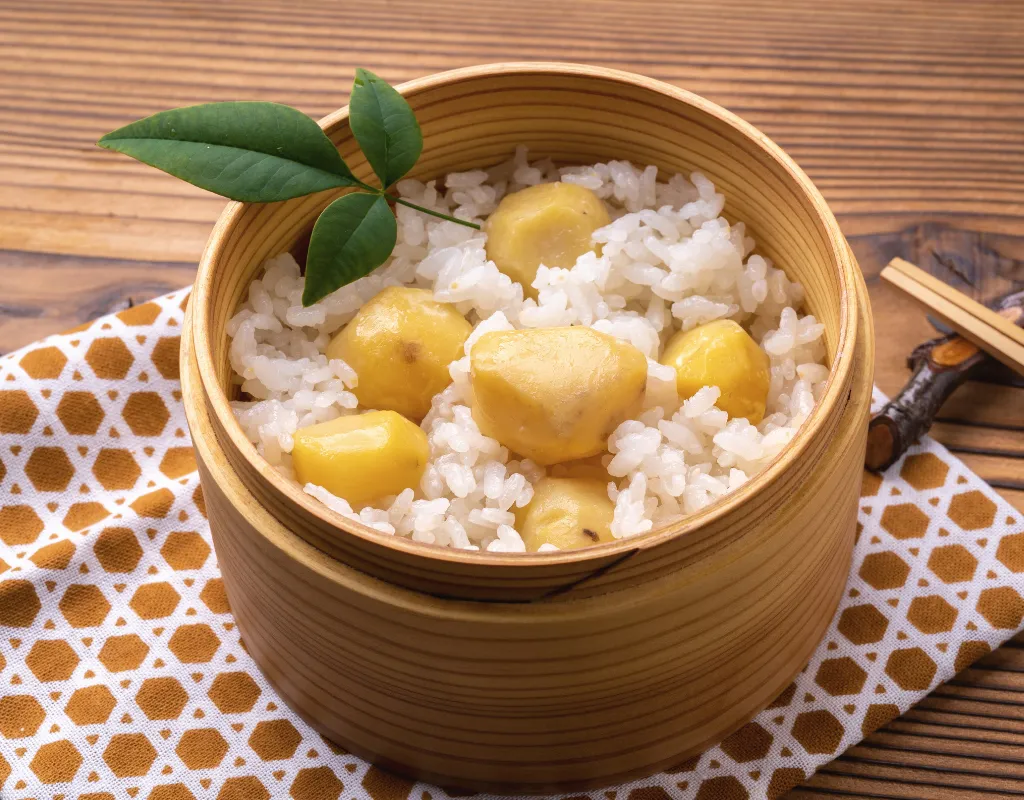
Chestnuts also appear in savory dishes such as kuri gohan (栗ご飯) — rice cooked with peeled chestnuts and lightly seasoned with salt or soy sauce. This dish highlights the natural sweetness of kuri and is a staple of autumn home cooking. Chestnuts are also used in nimono (煮物) or as garnishes in kaiseki cuisine, adding subtle flavor and seasonal elegance to meals.
Chapter5: Summary: Chestnuts in Japan
Chestnuts in Japan (kuri) are more than just a seasonal ingredient — they are a cultural icon celebrated in autumn festivals, traditional sweets, and savory dishes. From roasted yaki-guri enjoyed on the street to refined kuri kinton, kuri yokan, and kuri manju, chestnuts showcase the best of Japanese culinary tradition. Premium varieties like Tamba Kuri are highly prized, making chestnut-based desserts and dishes a luxury treat and a popular seasonal gift.
Hope you enjoy the Japanese flavor and culture behind chestnuts while you are in Japan. Whether incorporated into kuri recipes, Japanese chestnut desserts, or savory autumn meals like kuri gohan, chestnuts in Japan reflect the harmony of nature, tradition, and seasonal celebration. They remain an enduring symbol of autumn, offering flavor, comfort, and cultural meaning that has been cherished for centuries.
* When you purchase products introduced in the content, a portion of the sales may be returned to belongingJAPAN.
*Please note that there may be changes in availability or pricing. The prices listed above are as of October 5th, 2025. For further details, please check Amazon.co.jp.