


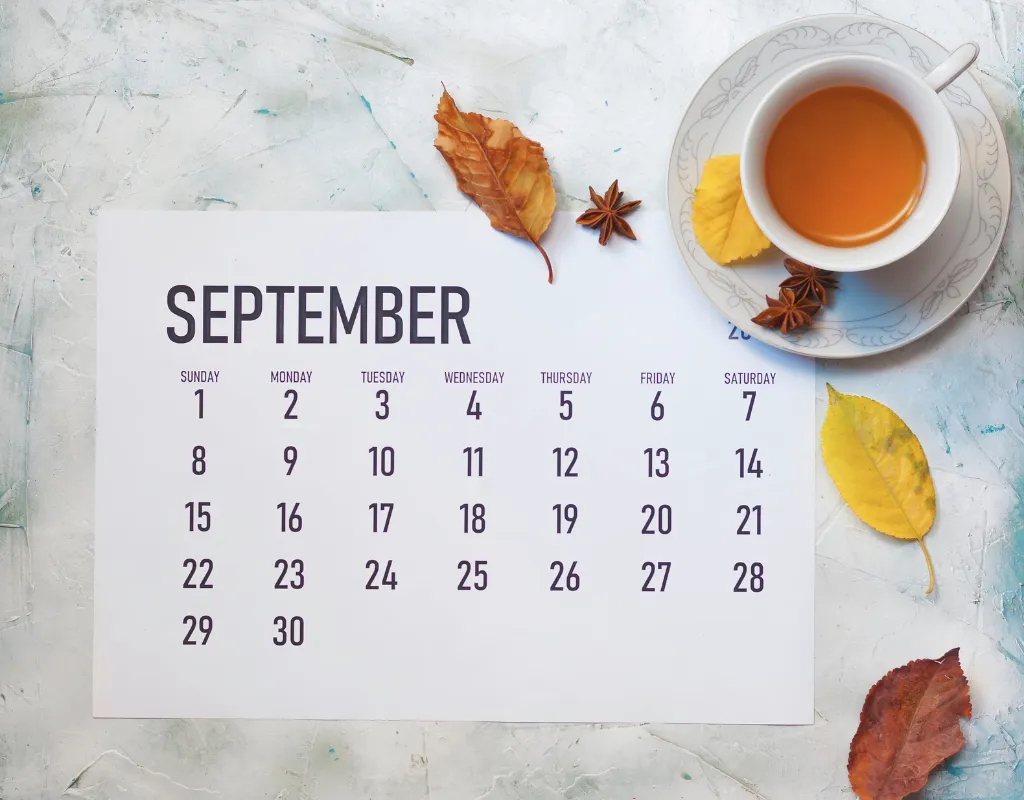
Silver Week Japan in 2026 is a rare five-day holiday, running from Saturday, September 19 to Wednesday, September 23. It is the first full Silver Week in 11 years — the last one was in 2015, and the next is not expected until 2032. During this period, offices, banks, and clinics may close, trains and highways get crowded, and locals enjoy autumn food, foliage, and family time. This guide helps foreign residents plan errands, travel, and daily life around the 2026 break.
Table of Contents
About the Writer
Supervisor
belongingJAPAN
Author: belongingJAPAN
belongingJAPAN provides trusted insights on Japanese culture, traditions, and lifestyle, as well as professional guidance on essential topics such as finance, transportation, and daily living in Japan. With carefully researched information sourced from official data and expert knowledge, belongingJAPAN helps both residents and international readers navigate Japanese life with confidence.
Chapter 1: What is Silver Week in Japan?
Silver Week Japan is a string of national holidays in September that fall close enough together to form a long break. Unlike Golden Week in spring, it does not happen every year. It only appears when the September holidays line up with the weekend just right.
2026 is one of those rare years. Respect for the Aged Day falls on Monday, September 21. Autumnal Equinox Day falls on Wednesday, September 23. The Tuesday in between (September 22) becomes a Citizen’s Holiday (Kokumin no Kyujitsu) under Japan’s Holiday Law, because it sits between two holidays. Add the weekend before, and you get a five-day run from September 19 to 23.
Silver Week in 2026
| Date | Day | Holiday Name |
|---|---|---|
|
September 19 |
Saturday |
Weekend |
|
September 20 |
Sunday |
Weekend |
|
September 21 |
Monday |
|
|
September 22 |
Tuesday |
Citizen’s Holiday (Kokumin no Kyujitsu) |
|
September 23 |
Wednesday |

Origins of Silver Week
Silver Week Japan (in Japanese: シルバーウィーク, Shirubā Wīku) is a relatively modern concept. Unlike Golden Week, which has been celebrated since the 1950s, Silver Week only occurs in years when the September holidays—Respect for the Aged Day (Keirō no Hi, 敬老の日, Keirō no Hi) and Autumnal Equinox Day (Shūbun no Hi, 秋分の日, Shūbun no Hi)—align with weekends to create a consecutive break. The term “Silver Week” (シルバーウィーク, Shirubā Wīku) was coined to highlight this shorter, autumnal counterpart to Golden Week.
Connection to Japanese Traditions and Public Holidays
The holidays within Silver Week have deep cultural significance. Respect for the Aged Day celebrates and honors elderly citizens, reflecting Japan’s respect for senior members of society. Autumnal Equinox Day is traditionally a time to visit family graves, remember ancestors, and enjoy the changing season. These holidays are rooted in long-standing Japanese values of family, respect, and seasonal awareness.
Comparison with Other Japanese Holiday Periods
Silver Week is the quieter cousin of Golden Week. Golden Week runs from late April into early May and covers several holidays, including Showa Day, Constitution Memorial Day, and Children’s Day. It is Japan’s biggest travel season. Silver Week is shorter, rarer, and leans more toward family time and seasonal reflection than mass tourism.
Related Post
Chapter 3: Daily Life During Silver Week: What to Expect
Business Operations.
During Silver Week, many offices, banks, government offices, and clinics close or run shorter hours. Handle banking, city office paperwork, and medical appointments before the break. This matters more in 2026, since the five-day run means longer closures than a normal year.
Public Transportation.
Trains, buses, and stations get busy. The Shinkansen and major lines still run, but seats fill fast. Book reserved seats early, allow extra time, and avoid peak departure and return days. With a rare five-day break, demand will be higher than usual.
Traffic and Road Travel.
Highways near cities and tourist spots can jam badly, especially at the start and end of the break. Plan your route, check live traffic in a map app, and travel outside peak hours where you can.
Grocery Stores and Essential Services.
Supermarkets and convenience stores may cut their hours. Popular items can sell out as people stock up. Keep a small supply of essentials at home so a closed store doesn’t catch you out.
Chapter 4: How Locals Enjoy Silver Week
During Silver Week, many people relax, travel, and spend time with family. Around Respect for the Aged Day, households often visit grandparents, share a meal, and thank older family members. Around Autumnal Equinox Day, families visit graves and mark the change of season.
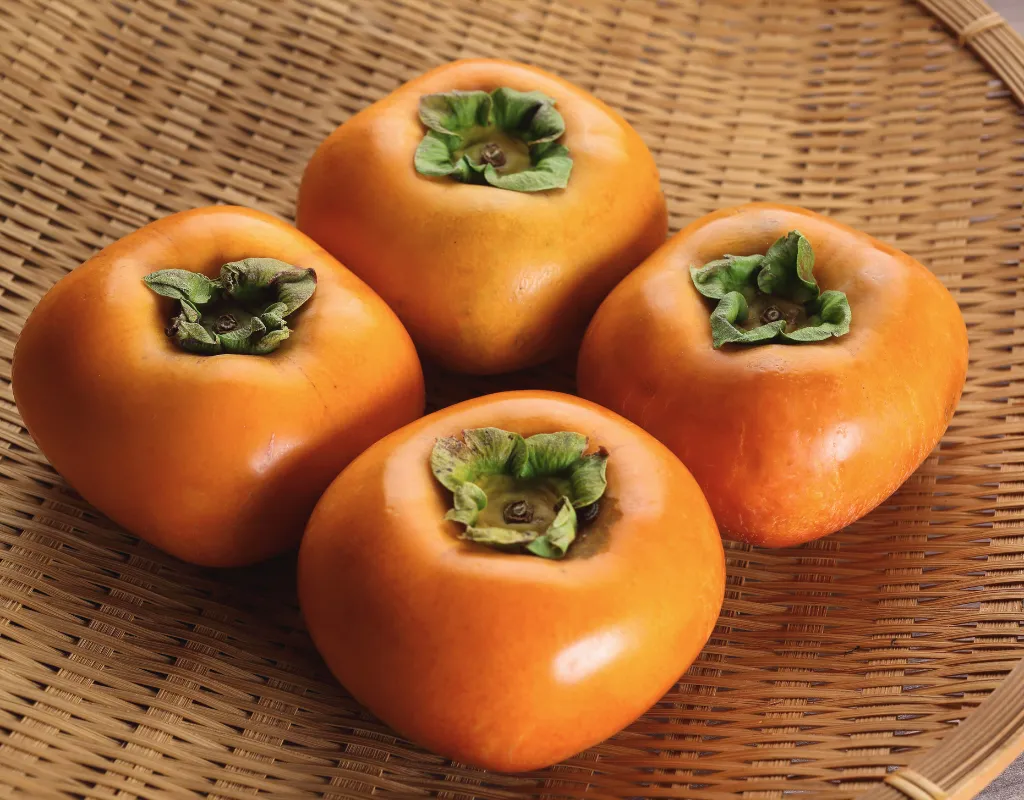
Food is a big part of it. Autumn brings chestnuts, persimmons, mushrooms, and sweet potatoes into season. Many people also head out to view autumn foliage (koyo, 紅葉) in parks, mountains, and the countryside. Note that climate change has pushed peak foliage later in many regions — in much of Japan the best colors now arrive in November rather than September or October. Late September is also close to the mid-autumn moon, when people enjoy Otsukimi (moon viewing).
Chapter 5: Conclusion
Silver Week blends family time, cultural observance, and the best of the autumn season. In 2026 it is unusually generous — five straight days, the first such break in over a decade. Plan around transport, closures, and errands early, and you can enjoy it without the stress.
Want seasonal guides and practical tips for life in Japan sent to your inbox? Join our free newsletter.
*This article was updated in August 2026. Respect for the Aged Day falls on the third Monday of September, and Autumnal Equinox Day is set each year by the National Astronomical Observatory of Japan and confirmed by the government. Business hours and closures vary by company and region, so check with your bank, city office, or clinic directly before the holidays.