


- August 1, 2025
- BELONGING JAPAN
Worried about how much it really costs to live in Japan? You’re not alone. Many people—both newcomers and long-term residents—wonder whether the cost of living in Japan is high and how much they should expect to spend each month. In this article, a Certified Financial Planner® explains the real picture of living expenses using official data such as the Consumer Price Index (CPI) and the Family Income and Expenditure Survey published by Japan’s Ministry of Internal Affairs and Communications. You’ll gain a clearer understanding of essential costs and discover practical tips for saving money—some of which even locals may not know.
Table of Contents
About the Supervisor & Writer
Certified Financial Planner® / 1st Grade Certified Skilled Professional of Financial Planning / Certified Inheritance Consultant
Founder of Yume Planning (est. 2015)
After gaining experience working at various financial institutions, including securities firms, banks, and insurance companies, Masako became an independent financial planner in 2015. She provides consultations, writing, and lectures based on the belief that understanding your finances is key to living a richer, more authentic life.
Chapter 1: Tracking the Cost of Living in Japan
Consumer Price Index (CPI)
To understand the cost of living in Japan, it’s essential to look at the data published by government agencies. One of the most widely used indicators is the Consumer Price Index (CPI), released monthly by the Statistics Bureau of Japan. Using 2020 as a base year (index = 100), the CPI tracks changes in the prices of goods and services that households actually purchase. This time-series data is used to assess trends such as month-over-month and year-over-year price fluctuations.
Japan’s CPI includes three main categories:
Overall Index: Covers all items, including volatile components.
Core CPI: Excludes fresh food prices, which are subject to large seasonal swings.
Core-Core CPI: Excludes both fresh food and energy prices to provide a more stable measure of underlying inflation trends.
While CPI calculation methods vary by country, Core CPI is commonly used as the primary reference point for inflation trends in Japan.
As of June 2025, Japan’s Core CPI stands at 111.4, indicating an 11.4% rise in consumer prices over five years. Compared to June 2024, prices increased by 3.3% year-over-year and 0.1% from the previous month.
Japan’s central bank, the Bank of Japan, maintains a price stability target of 2% annual inflation, based on the Core CPI. With current inflation rates exceeding this target, Japan’s economy is generally viewed as stable but facing upward price pressures.
According to the Ministry of Health, Labour and Welfare’s 2024 survey on wage increases, 91.2% of companies reported raising wages or planning to do so. However, wage growth has not kept pace with inflation, and many households continue to feel financial strain. There is growing public expectation for further wage hikes to improve living standards.
It’s worth noting that rising prices are not unique to Japan—countries such as the U.S., South Korea, and others are experiencing similar trends. That said, Japan has managed to moderate energy-related costs through government subsidies and support measures, helping ease the burden on consumers to some extent.

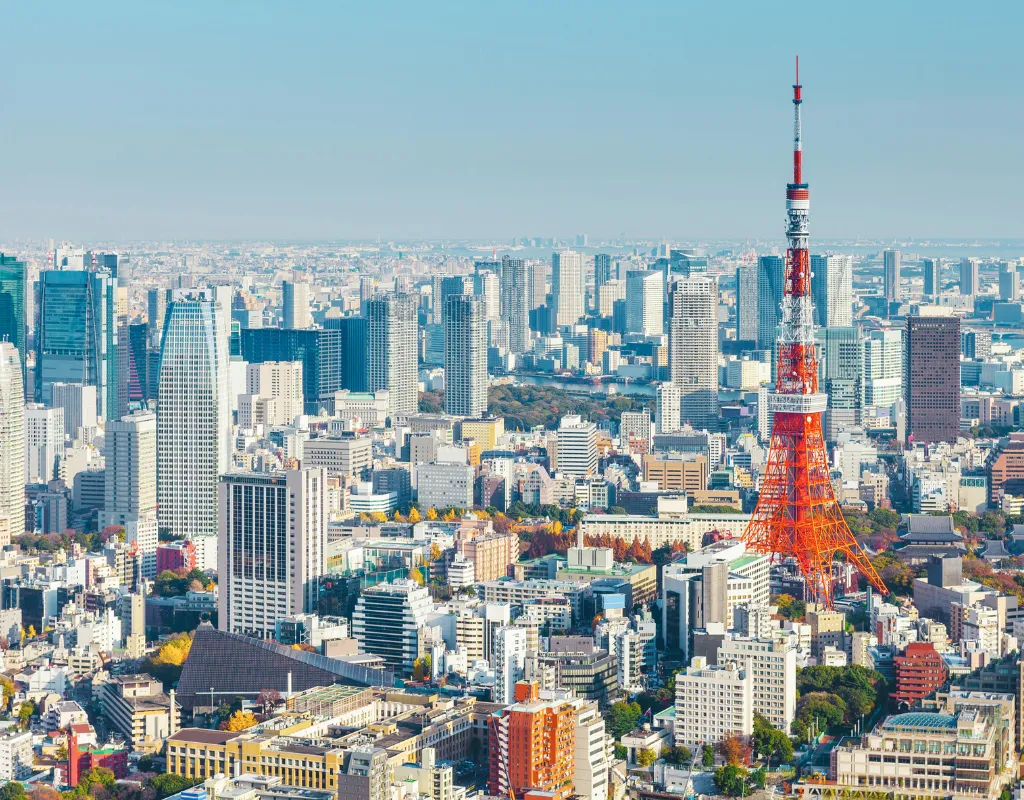
In Tokyo, the average monthly cost of living for a family—excluding rent—is around ¥300,000 (approximately USD 2,000 as of mid-2025). While this may seem high, many residents and expats find Japan’s overall cost of living relatively manageable, especially when compared to global cities like New York or London, where prices tend to be significantly higher.
When compared with Seoul, South Korea, which has seen rapid inflation in recent years, Tokyo’s prices are now quite similar. However, eating out and transportation tend to cost slightly more in Tokyo. Currency fluctuations also affect the perceived affordability of life in Japan—a weaker yen can make everyday expenses feel more expensive for foreign residents or those earning in other currencies.
One financial advantage of living in Japan is its relatively low income tax and social insurance burden compared to other major economies. This can result in higher disposable income, improving financial comfort despite rising prices.
Of course, cost is just one aspect of living standards. Many people also cite Japan’s well-maintained infrastructure, four distinct seasons, and high levels of safety as key reasons why life in Japan feels convenient and comfortable.
Chapter 3: Breakdown of Monthly Household Expenses
To understand the cost of living in Japan, the Family Income and Expenditure Survey published by the Statistics Bureau of Japan is a reliable reference. Based on the latest preliminary data from May 2025, we can examine the average monthly household spending by category for a typical household.
Food Expenses
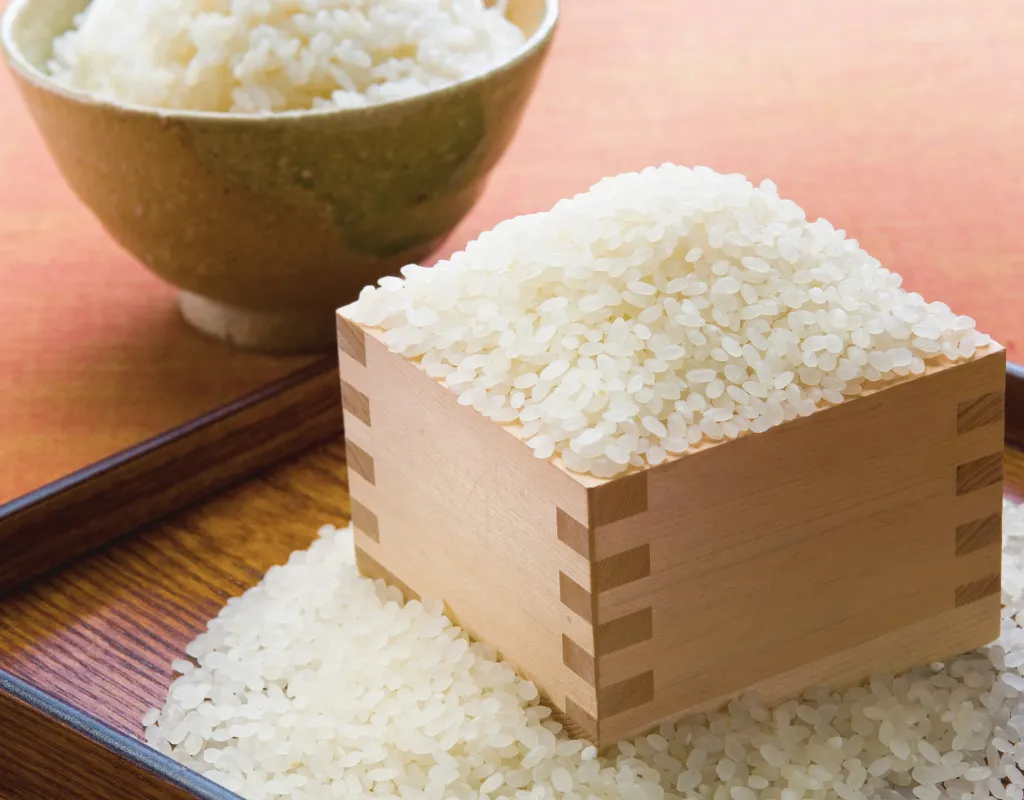
According to the Family Income and Expenditure Survey by the Statistics Bureau of Japan, in households with two or more members where at least one person is employed, the average monthly consumption expenditure (excluding housing and taxes) was ¥295,294 as of May 2025. Of this, ¥97,575 was spent on food, making it one of the largest household expenses.
Source: Family Income and Expenditure Survey, May 2025 – Households with Two or More Members (Japanese)
In recent months, climate-related disruptions have reduced crop yields, leading to a sharp increase in rice prices—a trend that has made headlines in Japan. Although the release of government stockpiled rice has helped stabilize prices somewhat, food continues to represent a significant portion of the cost of living in Japan, especially for working households.
Utilities (Electricity, Gas, Water)
The survey reports that the combined monthly cost of electricity, gas, and water in Japan averages ¥23,901. This amount can vary depending on household size and lifestyle. However, rising global energy prices, driven in part by geopolitical tensions, have put additional strain on household budgets.
Due to climate change, spring and autumn have become shorter, and many households are now using air conditioning for longer periods throughout the year. As a result, energy consumption—and therefore utility bills—are on the rise.
When purchasing home appliances, it’s important to prioritize energy efficiency and long-term running costs over initial purchase price. Choosing eco-friendly, energy-saving appliances that meet Japan’s environmental performance standards can help reduce household energy use.
Utility plans also vary depending on your local area and electricity provider. Many companies offer multiple pricing options based on factors such as when you use the most electricity during the day. To manage the cost of living in Japan more effectively, it’s a good idea to use online rate simulators provided on electricity company websites to find the plan that best suits your usage habits.
Communication Expenses
According to the same survey, average monthly communication expenses in Japan come to ¥12,195 per household. If using a major mobile carrier, one line typically costs between ¥5,000 and ¥7,000 per month. However, switching to a budget SIM card (MVNO) can reduce costs to around ¥1,000 to ¥3,000 per line.
To further manage the cost of living in Japan, many households combine a budget SIM with a fiber-optic internet connection, which typically costs ¥4,000 to ¥6,000 per month. Taking advantage of bundled plans or promotional discounts offered by providers can lead to significant savings on monthly communication costs.
Transportation Costs
Transportation costs in Japan vary widely depending on where you live and how you get around. In urban areas, public transportation systems such as trains and buses are extensive and reliable, making it easy to commute without owning a car. In contrast, rural areas often require a car for daily life, which introduces additional expenses.
For car owners, it’s important to factor in parking fees and fuel costs. In cities, monthly parking can cost anywhere from ¥30,000 to ¥50,000, which can significantly impact the overall cost of living in Japan.
To reduce expenses, bicycles are a practical and popular option, especially for short-distance travel. In recent years, bike-sharing services have expanded across many cities, allowing users to register once and access bicycles anytime. These services are gaining popularity for their convenience and affordability, helping to ease transportation costs for many residents.
Healthcare Costs
In Japan, medical expenses are significantly reduced thanks to the public health insurance system, which covers a majority of treatment costs. Under this system, patients typically pay only 30% out-of-pocket for most medical services.
According to the same survey, the average monthly healthcare-related spending—including items like supplements for health maintenance—is ¥14,122 per household.
In addition, many local governments offer medical subsidies for children, further reducing the financial burden on families. These support programs vary by municipality but contribute to lowering the overall cost of living in Japan, especially for households with children.
Related Post
Housing Costs
When it comes to housing, costs in Japan vary widely depending on the area. Even within the same city, factors such as the building’s age, distance from the nearest train station, and access to supermarkets or hospitals can significantly affect rent prices.
According to the 2025 Real Estate Industry Statistics published by the Real Estate Transaction Promotion Center, the average monthly rent in the Tokyo metropolitan area is:
¥102,750 for a 1LDK to 2DK apartment
¥151,331 for a 2LDK to 3DK apartment
(As of September 2024)
Source: Real Estate Transaction Promotion Center 2025 Statistics – Rental Housing (Japanese)
Rent has been trending upward across Japan in recent years, contributing to a growing portion of the cost of living in Japan, particularly in large urban centers.
Today, searching for a rental property is relatively easy through real estate websites. By selecting the desired area and setting conditions like layout or proximity to a station, users can browse and compare multiple listings. Once a suitable property is found, the next step involves contacting the real estate agency, arranging a viewing, and signing a lease agreement if satisfied.
In addition to monthly rent, there are initial move-in costs to consider. These often include:
Security deposit (shikikin) – held in case of unpaid rent or damage
Key money (reikin) – a non-refundable gratuity to the landlord
Agent’s commission – paid to the real estate company
While some listings may waive key money or deposits, it’s common to budget 3 to 5 months’ worth of rent upfront. Additional fees may also apply, such as lock exchange fees, fire insurance premiums, and guarantor service charges.
Understanding the full scope of rental expenses is essential for accurately estimating the cost of living in Japan and avoiding surprises when moving into a new home.
Chapter 4: Regional and Lifestyle Differences
In Japan, the cost of living can vary significantly depending on where you live and how you live. The country’s diverse geography brings with it differences in climate, culture, and even local temperament. For example, Hokkaido and the Tohoku region experience heavy snowfall in winter, while the southern areas such as Shikoku, Kyushu, and Okinawa enjoy a milder climate year-round. Each region has its own unique traditions and way of life rooted in the local environment.
Major metropolitan areas like Tokyo and Osaka offer excellent public transportation networks, making it easy to live without a car. However, rent and dining out are typically more expensive in these cities. In contrast, regional cities like Fukuoka or Nagoya often offer significantly lower housing costs—sometimes less than half of Tokyo’s average rent—making it easier to manage overall expenses. That said, in many of these areas, owning a car is often necessary, which means higher spending on fuel, maintenance, parking, and insurance.
In suburban and rural areas, the cost of living tends to be even lower, with access to fresh local produce and affordable housing. These areas offer a slower pace of life and a strong connection to nature, but may have fewer options for education and healthcare. In recent years, more people—particularly those able to work remotely—have started relocating to the countryside for a better work-life balance and lower living costs.
Lifestyle and household composition also play an important role. For instance, a single person living in a small city apartment may rely heavily on dining out and public transport, while a family household might prioritize space and choose to live in the suburbs, resulting in different spending habits. These are just examples, but they highlight how individual lifestyle choices and family needs affect the overall cost of living in Japan.

Chapter 5: Summary
Although recent years have seen rising prices, life in Japan remains comfortable and secure thanks to well-established national systems and local government services. With the abundance of information available online, it is increasingly possible to reduce living expenses through smart choices and planning. Understanding the general cost of living in Japan helps you select the best plans and tools suited to your personal needs. We hope this information serves as a helpful guide to starting your life in Japan on a fulfilling and confident note.