


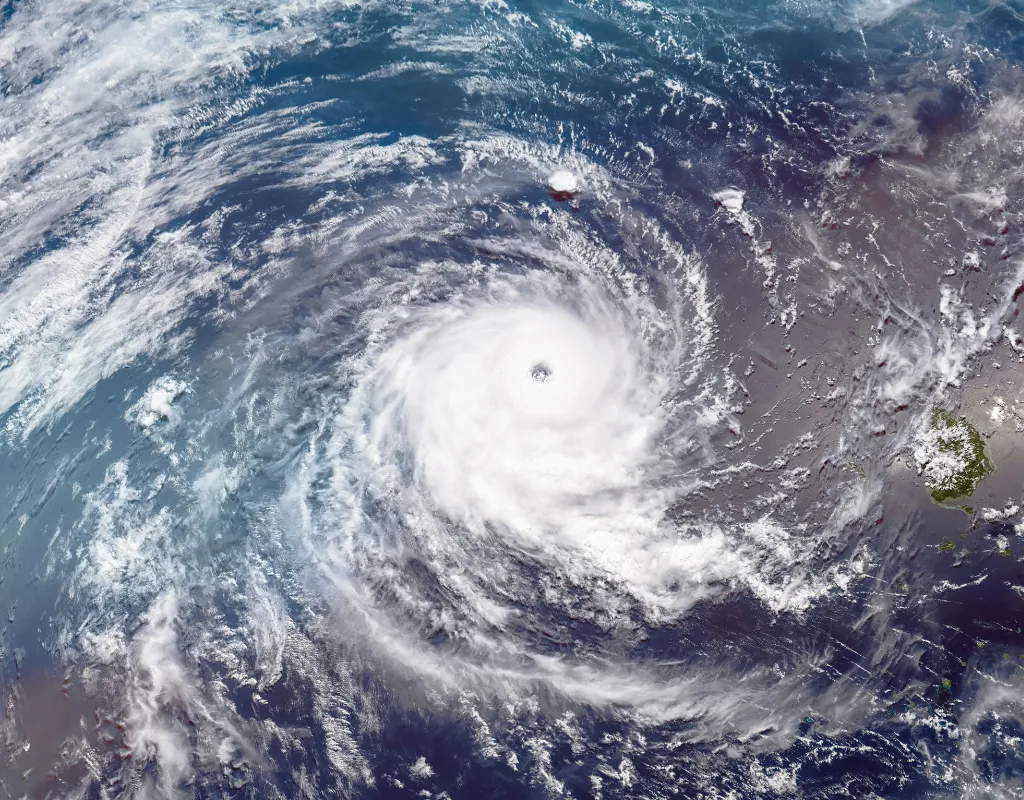
Every year, from June to October, Japan experiences powerful storms known as typhoons. A typhoon in Japan can disrupt daily life with strong winds, heavy rain, and transportation delays, but with the right knowledge, foreign residents and travelers can stay safe. This guide explains what typhoons are, their impact on daily life, and how to prepare and stay informed.
Table of Contents
Related Post
About the Writer
Supervisor
belongingJAPAN
Author: belongingJAPAN
belongingJAPAN provides trusted insights on Japanese culture, traditions, and lifestyle, as well as professional guidance on essential topics such as finance, transportation, and daily living in Japan. With carefully researched information sourced from official data and expert knowledge, belongingJAPAN helps both residents and international readers navigate Japanese life with confidence.
Chapter 1: What is a Typhoon in Japan?
A typhoon in Japan is a powerful tropical storm that brings heavy rain, strong winds, and potential flooding. Typhoons form over warm ocean waters in the western Pacific, gaining strength as they move toward land. When they reach Japan, these storms can cause significant disruptions to daily life, transportation, and infrastructure.
Japan experiences its typhoon season from June to October, with the peak typically occurring between August and September. During this period, residents and travelers need to stay informed about approaching storms and take necessary precautions.
Japan is well-prepared for typhoons due to a combination of geography, advanced infrastructure, and a culture of disaster readiness. The country’s buildings, transportation systems, and flood defenses are designed to withstand strong winds and heavy rainfall. Moreover, government agencies such as the Japan Meteorological Agency (JMA) provide timely warnings and updates in multiple languages, including English, helping both residents and international visitors respond effectively.
By understanding what a typhoon is and how it forms, we can learn together how to get the latest information, prepare effectively, and stay safe during the typhoon season in Japan. This guide draws on official sources and practical tips to help both residents and international visitors navigate typhoons in Japan with confidence.
References:
Japan Meteorological Agency (JMA). Typhoon Information.
Chapter 2: Typhoon Impacts on Daily Life
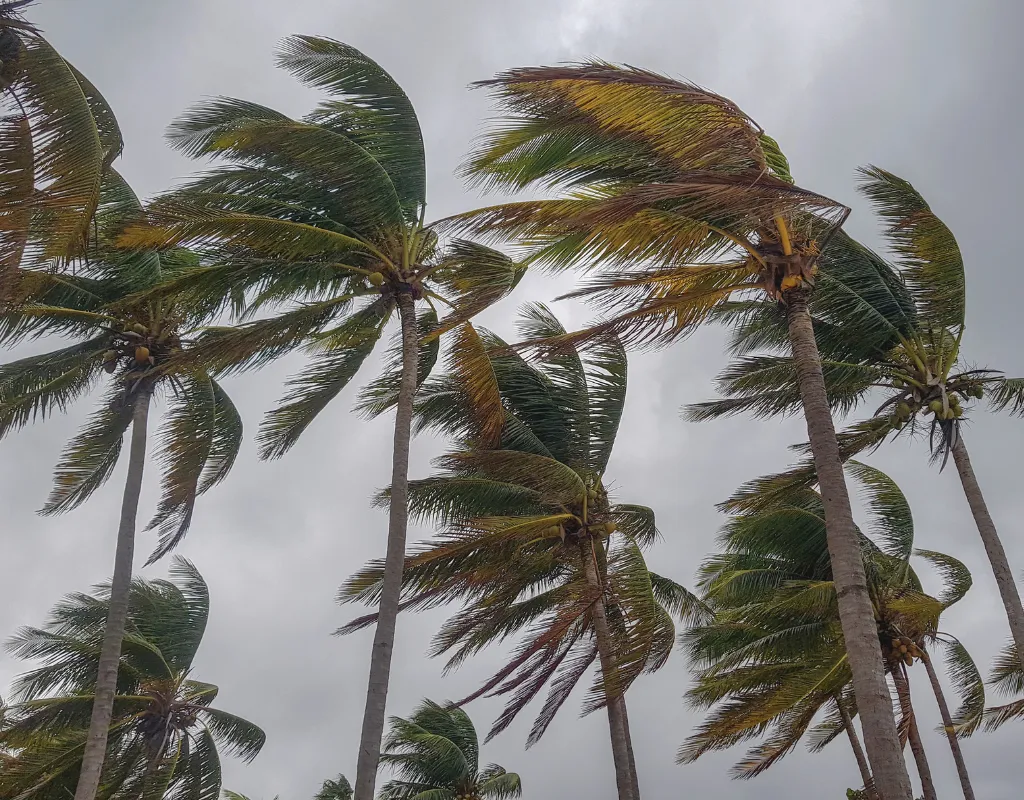
Experiencing a typhoon in Japan can have significant effects on daily life. Understanding the potential impacts helps both residents and international visitors prepare and respond safely.
Effects on Homes and Buildings
Strong winds and heavy rainfall can damage homes, especially windows, roofs, and outdoor structures. Although modern buildings in Japan are designed to withstand typhoon-level winds, falling branches or unsecured objects may still cause damage. In some mansion-style apartments or detached houses, the first floor may be at risk of flooding, particularly in low-lying areas or near rivers. Residents are advised to secure windows and doors, remove or tie down any loose items outside, and take precautions to protect the first floor from water damage, such as moving valuable items to higher levels.
Transportation Disruptions
Typhoons often disrupt transportation across Japan. Trains, buses, and flights may be delayed or canceled to ensure safety. The Japan Railways (JR) system frequently halts services during severe storms, and airports may suspend flights. Staying informed about transportation updates is essential for foreigners and travelers to avoid being stranded during a typhoon in Japan.
Utilities: Power and Water Supply
Heavy storms can lead to power outages and water supply interruptions, particularly in coastal and rural areas. It is recommended to maintain an emergency supply of water, batteries, and essential items in case of prolonged outages. Preparedness can significantly reduce stress and ensure safety during a typhoon.
Impact on Daily Supplies
When a typhoon in Japan or heavy rain is forecasted, supermarkets and convenience stores may experience temporary shortages of essential items. Toilet paper, bottled water, and non-perishable foods like instant noodles can quickly sell out as people prepare for the storm. This can happen not only in rural areas if transportation stops early, but also in Tokyo, where residents may stock up in advance.
To stay prepared, it is recommended to practice rolling stock—keeping a regular supply of everyday essentials and non-perishable foods at home. This approach ensures you have enough supplies during typhoons or other disasters, reducing the stress of last-minute shopping and helping you stay safe during emergencies.
Related Post

Chapter 3: Staying Informed During a Typhoon
Being well-informed is crucial for safety during a typhoon in Japan. Relying on official sources ensures you receive accurate and timely updates.
Monitor Official Sources
The Japan Meteorological Agency (JMA) is the primary authority for typhoon information. The JMA provides updates on typhoon paths, warnings, and advisories. Their website is available in English, making it accessible to foreign residents and travelers.
Official JMA Typhoon Information (English): https://www.jma.go.jp/jma/indexe.html
Regularly checking the JMA website or subscribing to official alerts ensures you are aware of changes in the typhoon’s course or intensity.
Use Smartphone Apps
Smartphone apps are a convenient way to receive real-time alerts and updates. Many provide notifications in English, including typhoon warnings, evacuation information, and emergency instructions.
Here are some highly recommended apps for foreign residents and travelers in Japan:
Disaster Preparedness Tokyo – A multilingual app that offers safety tips, shelter information, and disaster response guidance.
Safety Tips – An official app by the Japan Tourism Agency that provides emergency alerts in multiple languages.
NERV Disaster Prevention – A highly trusted app offering real-time disaster information, including typhoon tracking and evacuation updates.
For more details on these and other useful tools, see our full guide:
Related Post
Latest Train and Flight Information
During a typhoon, transportation services may be disrupted. Staying updated on the status of trains and flights is essential:
Trains:
JR East: https://www.jreast.co.jp/e/
JR West: https://www.westjr.co.jp/global/en/
Shinkansen updates: included on JR East/West sites
Private railway lines:
Keikyu (connects to Haneda Airport): https://www.haneda-tokyo-access.com/en/
Keisei (connects to Narita Airport): https://www.keisei.co.jp/keisei/tetudou/skyliner/us/index.php
Odakyu: https://www.odakyu.jp/english/
Flights:
Haneda Airport: https://tokyo-haneda.com/en/flight/flightInfo_int.html
Narita Airport: https://www.narita-airport.jp/en/flight/
Japan Airlines (JAL): https://www.jal.co.jp/jp/en/
All Nippon Airways (ANA): https://www.ana.co.jp/en/jp/
By staying informed about transportation services, you can plan your travel safely and avoid unnecessary risks during a typhoon in Japan.

Chapter4: FAQ: Typhoon in Japan
When is typhoon season in Japan?
Typhoon season in Japan runs from June to October, with the peak usually in August and September. During this time, several typhoons may approach or make landfall across the country.
What should I do if a typhoon hits during my trip?
Stay indoors, avoid unnecessary travel, and follow official updates from the Japan Meteorological Agency (JMA). If you are staying in a hotel, ask the staff about local safety instructions and nearby evacuation shelters.
What should I do after a typhoon?
Be cautious when going outside. Avoid rivers, coastal areas, and damaged structures. Check for official announcements about transportation, power, and water services before resuming normal activities.
Where can I get reliable information during a typhoon in Japan?
The Japan Meteorological Agency (JMA) provides official updates in English: https://www.jma.go.jp/jma/indexe.html.
Local governments and disaster prevention apps like Safety Tips and NERV Disaster Prevention also share real-time information.
Chapter 5: Conclusion
Facing a typhoon in Japan may seem daunting, but preparation and reliable information make all the difference. By staying updated through official sources, using disaster apps, and stocking essentials, you can protect yourself and your loved ones. How does your country prepare for severe weather? Share your experiences in the comments below.