


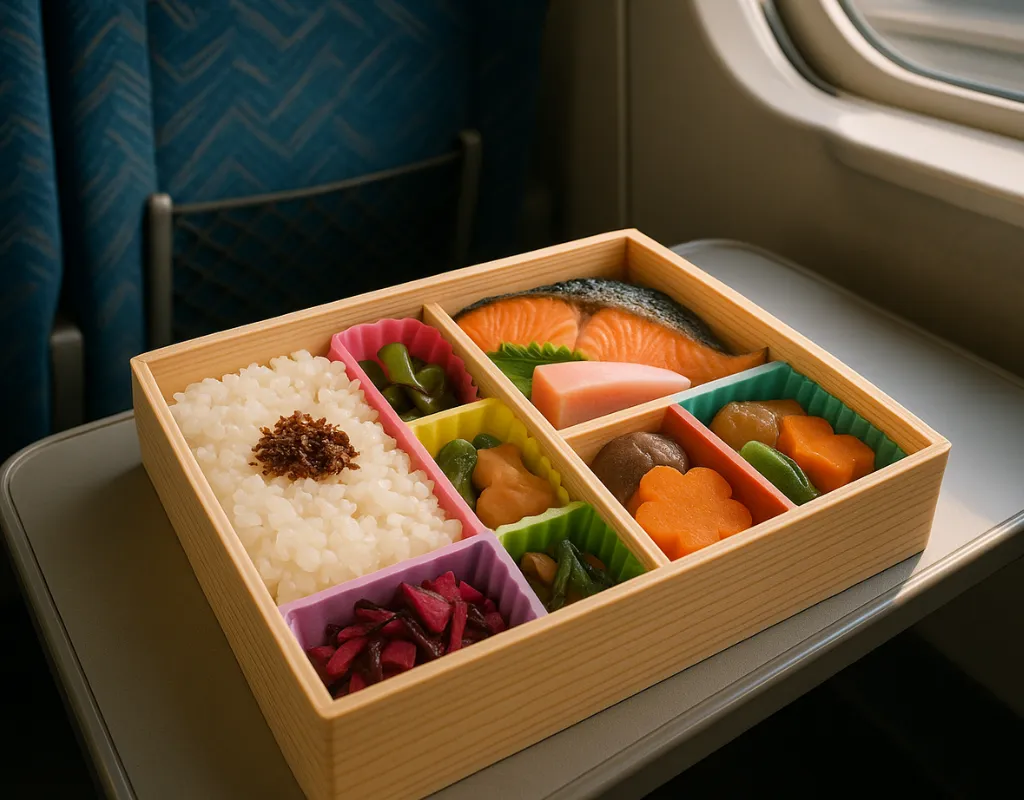
Can you eat on trains in Japan? Japan’s trains are highly praised for their punctuality and comfort, but behind that smooth experience lies a set of unique, unspoken rules and manners that help maintain this comfort.
Behaviors that might be acceptable overseas can be considered disruptive in Japan. A common example is eating on the train. Except for long-distance trains such as the Shinkansen, it is generally discouraged to eat on regular trains. This practice is rooted in Japan’s culture of consideration for others, where smells and sounds that might disturb fellow passengers are avoided.
In this article, supervised by Chikako Higuchi, an expert in etiquette and communication in Japan, we explain the cultural background of Japanese train manners and provide clear guidance on what you should know to travel comfortably and respectfully on trains in Japan.
About the Supervisor & Writer
Expert in Etiquette and Communication;
Former Shiseido Beauty Consultant. At Shiseido, gained deep expertise in hospitality, aesthetics, and understanding customers’ needs. Moved to KidZania Tokyo, a job-experience theme park for children, to share these skills. Earned the Outstanding Supervisor Award for delivering courteous service and led staff etiquette training.
Later, trained over 20,000 people in etiquette across the country. Involved in publishing, writing columns, supervising magazine articles, and appearing in the media.
Who This Article Is For
This article is designed for anyone traveling on Japanese trains who may be wondering, “Can you eat on trains in Japan?” It provides practical guidance on train etiquette to ensure a comfortable and polite journey. It is especially useful for:
Foreign travelers and tourists visiting Japan who want to understand local train etiquette.
Expatriates and long-term residents navigating daily commutes in Japan.
Families traveling with children looking for guidance on appropriate behavior.
Passengers taking local trains, Shinkansen, limited express, or sightseeing trains who want a smooth and considerate travel experience.
Table of Contents
Chapter 1: Can you eat on trains in Japan?
The rules around eating and drinking on trains in Japan depend on the type of train, but one principle always applies: being considerate of others in public spaces.
● Local and Rapid Trains
On local and rapid trains, eating is generally avoided. These trains are often crowded, especially in urban areas, and trips tend to be relatively short. To prevent odors or chewing noises from disturbing other passengers, refraining from eating has become an unspoken standard.
Drinks are usually acceptable if they are in bottles or thermoses with securely closed lids. Drinks in cans or disposable cups, which can spill, should be avoided. Alcohol is also discouraged, as these trains are part of everyday commuting rather than a place for drinking.
● Long-Distance Trains
On long-distance trains, such as limited express trains or the Shinkansen, eating is generally allowed.
Because these journeys can be long and often overlap with typical meal times, seats are usually equipped with tables to make eating more convenient. Alcohol is permitted as well, but consideration for fellow passengers remains essential. Loud conversations or disruptive behavior while drinking are not acceptable.

Chapter 2: Can you eat on trains in Japan? Shinkansen
Enjoying Ekiben (Station Bento Boxes)
One of the highlights of long-distance travel in Japan is enjoying an ekiben, a boxed meal sold at train stations and on board trains. For many travelers, tasting these local delicacies is a key part of the journey.
Ekiben are carefully prepared using local ingredients, regional specialties, and traditional dishes unique to each area. When enjoying your meal, take the time to appreciate the local flavors and culinary culture. For example, Hokkaido’s ikameshi (squid rice), Yamagata’s beef bento, or Yokohama’s shumai bento reflect the distinctive tastes and specialties of their regions. Even the packaging often features designs inspired by local culture, and learning the story behind each ekiben adds to the experience.
These boxed meals are also sometimes sold at department stores or special events, allowing people to enjoy regional flavors conveniently or bring a taste of travel home. If the opportunity arises, trying an ekiben outside of travel is highly recommended.

Key Points for Eating on the Shinkansen
Odor:
Trains are enclosed spaces, so it’s important to avoid foods or drinks with strong smells. Curry, kimchi, or garlic-heavy dishes can disturb fellow passengers. When selecting your meal, consider how it might affect those around you.Noise:
Pay attention to sounds while eating. Opening wrappers loudly or chewing noisily is considered rude. Similarly, speaking loudly after drinking alcohol can be disruptive. Keep your voice at a considerate level during conversation.Eating Carefully:
On a moving train, eat calmly to avoid dropping food or spilling liquids. Maintaining a quiet, controlled manner helps ensure a pleasant environment for everyone on board.Disposing of Trash:
After eating, gather all trash into a single bag. Avoid leaving wrappers or leftover items scattered on the table. Long-distance trains and stations provide trash bins for disposal. If none are available, take your trash with you. While cleaning staff are present on Shinkansen trains, Japanese etiquette encourages passengers to “leave the space as clean as you found it,” showing consideration for others.

In Japan, there is a well-established rule: avoid eating on short-distance trains and subways. This reflects the country’s cultural emphasis on harmony and consideration for others. At the heart of this rule is the principle of being mindful in public spaces—ensuring your actions don’t disturb those around you and that everyone can travel comfortably.
Trains and subways are often crowded, especially during rush hours in urban areas. For many people, these trains are part of daily commuting or school travel. In such confined spaces, eating can be seen as disruptive. Strong food smells or simply eating next to someone else can make the ride uncomfortable for others.
Another reason is practical: most local train rides are short, unlike long-distance journeys on the Shinkansen, so there is usually no need to eat during the trip.
That said, staying hydrated is still important. Drinking beverages is allowed, but it’s best to choose bottles or containers with tightly sealed lids to prevent spills. Vending machines at stations make it easy to pick up a convenient drink before boarding.
Chapter 4: Can you eat on trains in Japan? Limited Express and Sightseeing Trains
In Japan, some trains are designed to make the journey itself part of the experience, such as limited express trains and sightseeing trains.
Limited express trains connect major cities quickly, but their charm goes beyond speed. Many feature unique designs and interior decorations inspired by the natural scenery and culture of the regions they pass through. Trains with evocative names like Yufuin no Mori or Saphir Odoriko enhance the sense of travel and are especially popular with tourists.
Sightseeing trains are built for the experience itself. Some are restaurant trains, offering gourmet meals on board, while others are scenic-view trains, designed to highlight stunning landscapes through large windows. Their interiors and designs are often more luxurious and creative than regular limited express trains—imagine a boutique hotel on rails.
On these trains, meals often become a central part of the journey. Enjoying a full-course dinner on a restaurant train is an unforgettable experience, while savoring an ekiben on a limited express train can also be very rewarding.
Even on these special trains, etiquette is important. Be considerate of other passengers, avoid behaviors that could disturb them, and maintain a refined, polite demeanor appropriate for public spaces. Following these simple rules ensures that everyone can enjoy the journey comfortably.
Chapter5: Non-Food Etiquette on Japanese Trains
In addition to dining manners, there are several other points of etiquette to keep in mind on Japanese trains to ensure a comfortable journey for all passengers.
Mobile Phones
Talking on mobile phones is strictly prohibited on trains. Passengers are often resting, using their smartphones quietly, or enjoying the scenery. Speaking on the phone draws attention and can disturb others, so it is considered rude.
If you must take an urgent call, keep it brief and move to the connecting corridor between cars if available, speaking in a very low voice. Always set your phone to silent or “manner mode” before boarding, as frequent ringtones or notification sounds are distracting to others.
Headphones and Sound Leakage
When listening to music or watching videos, headphones are a must. Even low volumes can be noticeable in a quiet car. Make it a habit to check for sound leakage from headphones or earbuds, especially during crowded conditions when passengers are seated close together. Lower the volume if the train is crowded.
Conversations
You may converse with friends or family, but keep your voice low and considerate. Remember, trains are public spaces, and you don’t know who is listening. Avoid discussing sensitive business matters, inappropriate topics, or anything that could make others uncomfortable.
Priority Seats
Priority seats are reserved for the elderly, people with disabilities, pregnant passengers, and those with infants. While it is ideal to leave these seats empty if not needed, it is acceptable to sit there when the train is not crowded. If someone in need boards, offer your seat immediately. This principle applies not only to priority seats but also to regular seats. (Tokyo Metropolitan Government, 2025)
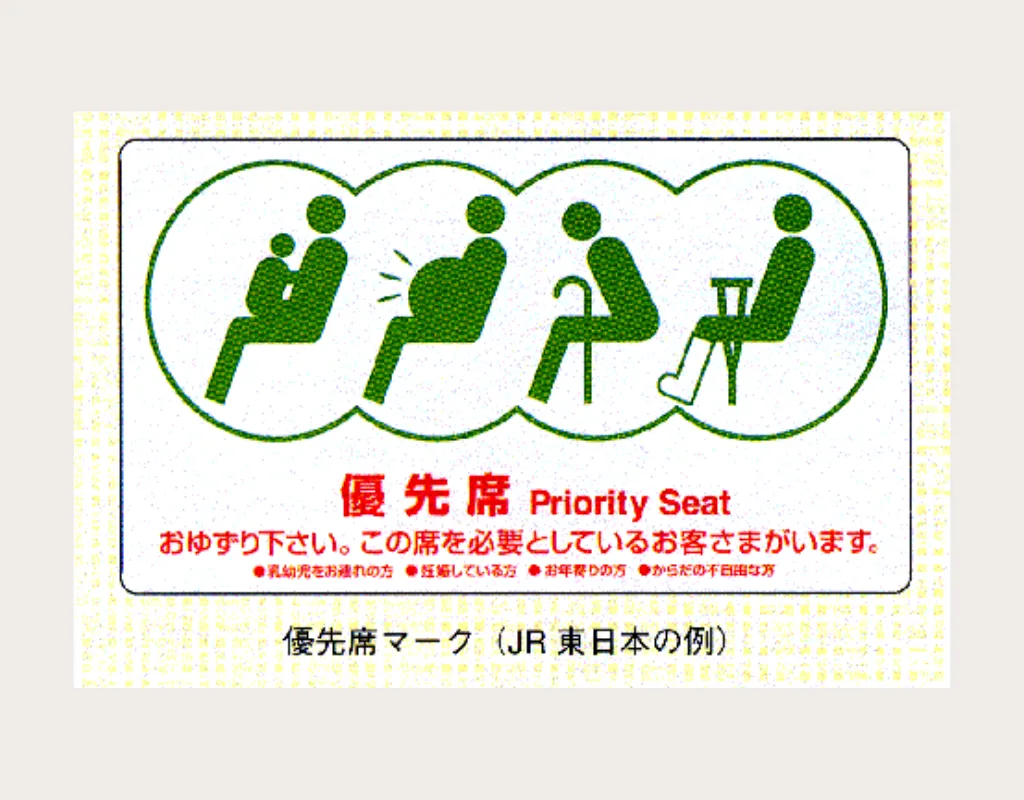
Image credit: MLIT, Japan – https://www.mlit.go.jp/hakusyo/transport/heisei10/index131/c6.html
Handling Luggage
Be mindful of where you place your belongings. Keep items off seats, placing smaller bags on your lap and larger items on overhead racks. Backpacks or large bags should be worn on the front of your body during crowded periods to avoid bumping other passengers.
Boarding and Alighting
Most stations have marked boarding positions on the platform. Line up in order and wait quietly for the doors to open. Passengers exiting the train have priority—do not block the doors or push past people trying to get off. Once everyone has disembarked, board in order, moving as far inside the car as possible. Standing near the doors during crowded periods can impede flow and worsen congestion. Avoid rushing to a seat or blocking the aisle; doing so is considered inconsiderate.
Chapter6: Frequently Asked Questions: Can You Eat on Trains in Japan?
Q1. Can I drink alcohol on the Shinkansen?
Yes, drinking alcohol is allowed, but it should be done in moderation. Getting drunk or speaking loudly while intoxicated is considered rude. Always dispose of empty cans or bottles in the provided trash bins.
Q2. Can I eat snacks or gum on trains?
Small candies, mints, or chewing gum are generally acceptable even on local trains. Light snacks like pastries are okay on long-distance trains, but on local trains, these are considered “meals” and are discouraged. Bagged snacks like potato chips are not appropriate on local trains. On long-distance trains, they are tolerated as long as you eat quietly and avoid touching surfaces with greasy or messy hands.
Q3. Is it okay for children to eat snacks on trains?
The same etiquette applies to children as to adults. However, if a child becomes tired or fussy during the journey, it’s acceptable to give them a very small snack, such as a piece of candy or a biscuit. The best practice is still to encourage patience when possible.
Q4. Where should I dispose of trash?
On long-distance trains, trash bins are usually available near the car entrances. You can also dispose of waste at the station platform or concourse. On rural local trains, bins may not be available, so you should take your trash with you.
Q5. Examples of foods to avoid on trains?
Strong-smelling foods: Garlic, heavily spiced dishes, fried foods like french fries, kimchi, fried chicken, or hamburgers. Fresh fast food can produce noticeable odors.
Noisy foods: Chips, rice crackers, or any snacks that make loud crunching sounds.
Messy or easily spilled foods: Soupy dishes, foods with sauces, bread crumbs, pastries, or items that melt easily like ice cream or soft serve.
Chapter7: Summary
Can you eat on trains in Japan? Japan has unique rules about eating on trains, which can be confusing for visitors. Etiquette varies by train type: on local trains, eating is generally discouraged, while on the Shinkansen or limited express trains, meals can be part of the travel experience. Regardless of the train, the key is consideration for others—staying quiet and keeping your space clean. Use this guide to understand the differences and enjoy a comfortable journey on Japanese trains.