Umeboshi is a small but powerful part of Japanese food culture. Known for its sour and salty taste, this pickled plum has been enjoyed for centuries—not just as food, but as a symbol of health, tradition, and daily life. From lunchboxes to rice balls, umeboshi continues to be a simple, yet meaningful part of meals in Japan.
Whether you’re new to umeboshi or looking for new ways to enjoy it, this guide will help you understand what it is, how it’s used, and why it’s so special.
Hope you enjoy this traditional flavor—especially refreshing in the summer months!
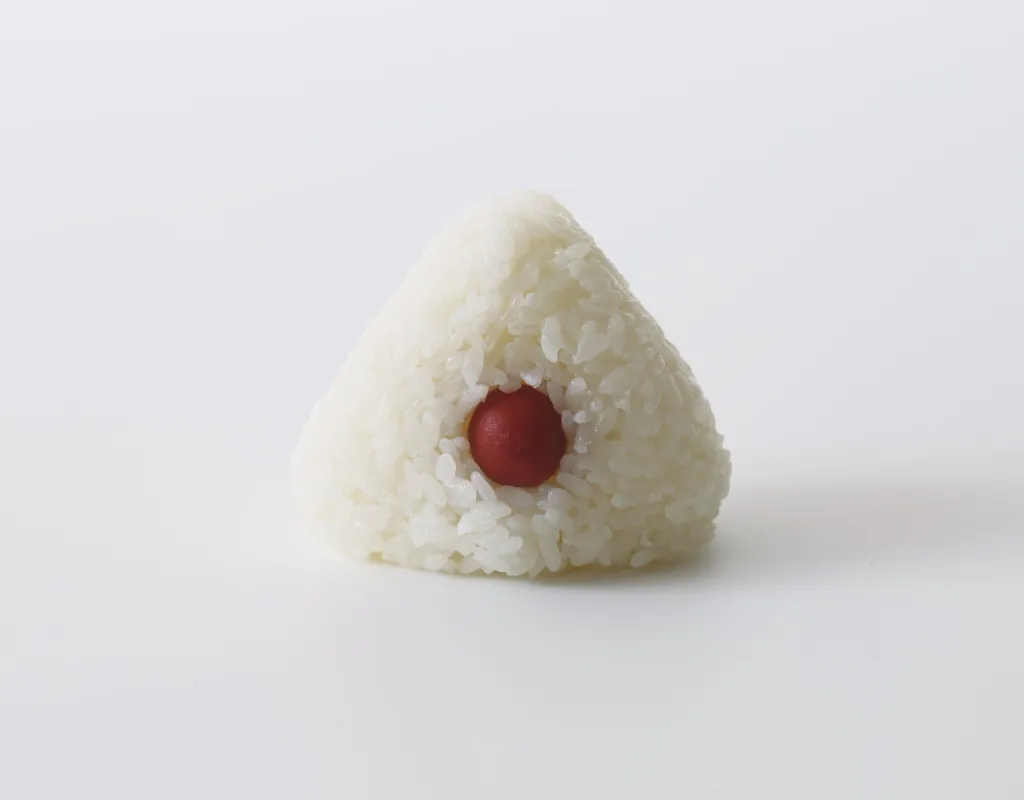
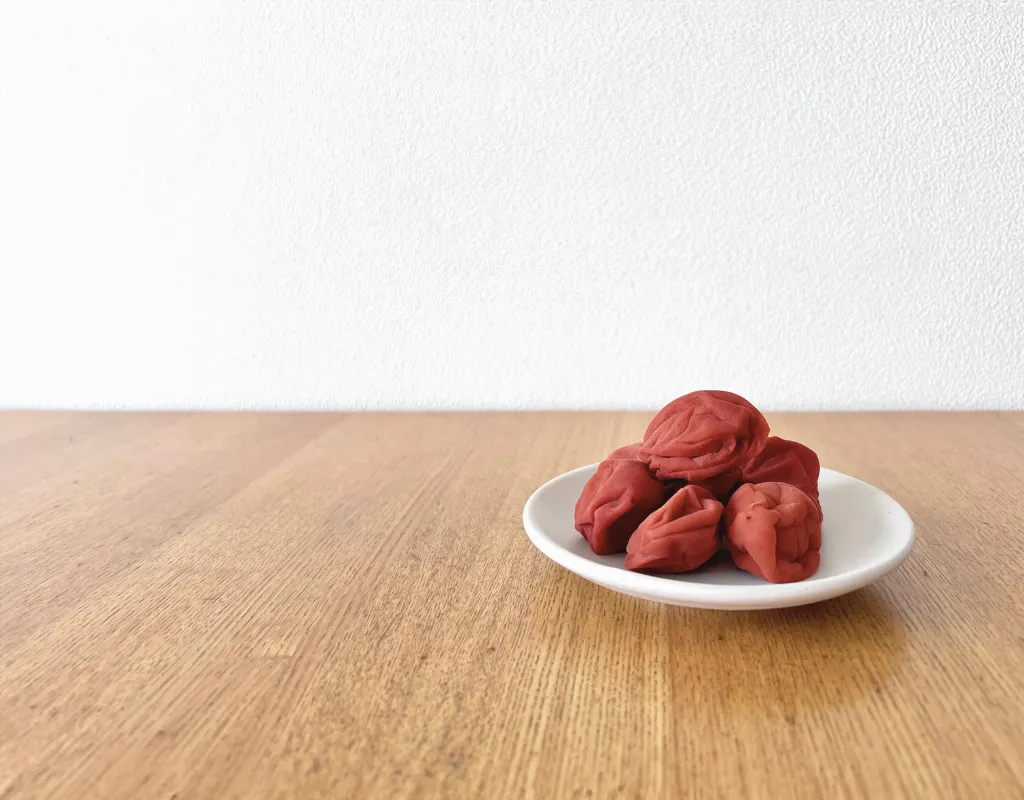
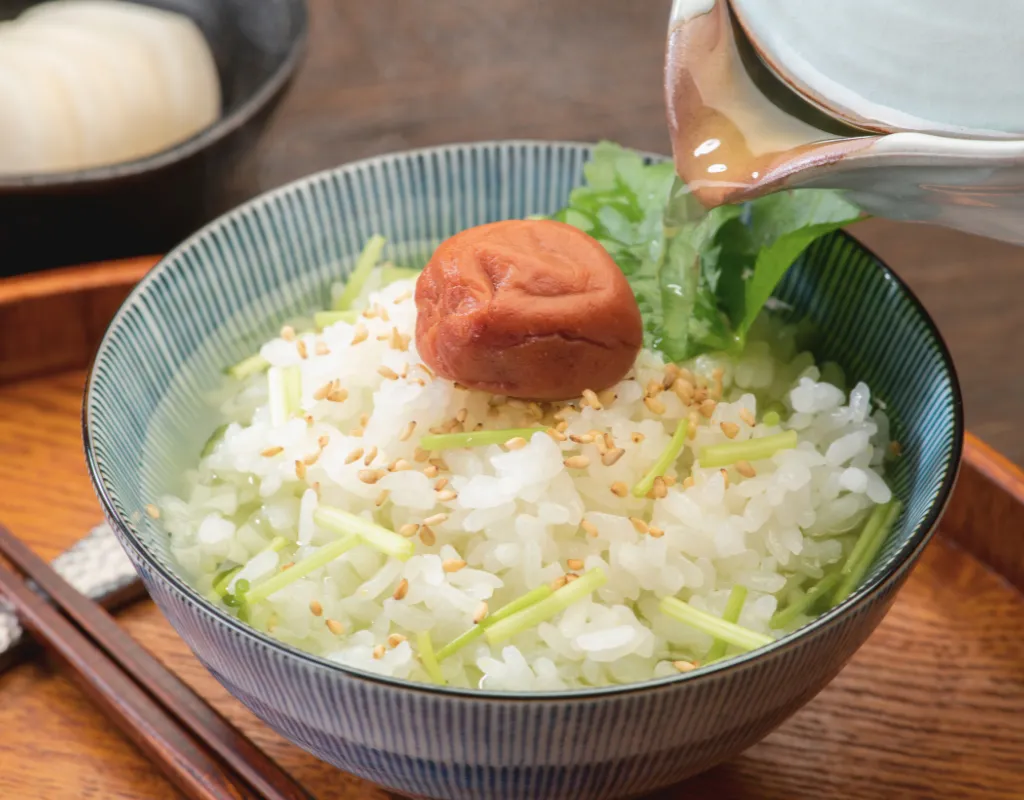
In Japan, it’s common to find a small, reddish, wrinkled fruit placed in the center of white rice—especially in lunch boxes and rice balls. This is umeboshi (梅干し, うめぼし), a type of pickled ume fruit. Despite being called a “plum,” ume (梅, うめ) is more closely related to an apricot. Umeboshi is famous for its strong sourness and saltiness, and while the flavor might be intense at first, it’s long been loved in Japan not just for its taste, but for its health benefits and role in everyday meals. You’ll find it tucked inside onigiri (おにぎり), served with ochazuke (お茶漬け), or added to bento for its flavor and preservative effect. For those living in Japan, umeboshi is more than just a side dish—it’s a window into traditional Japanese food culture.
Chapter 2: Cultural Significance of Umeboshi in Japan
A Preserved Plum with Deep Roots in Everyday Life.
1. Traditional Uses in Daily Meals
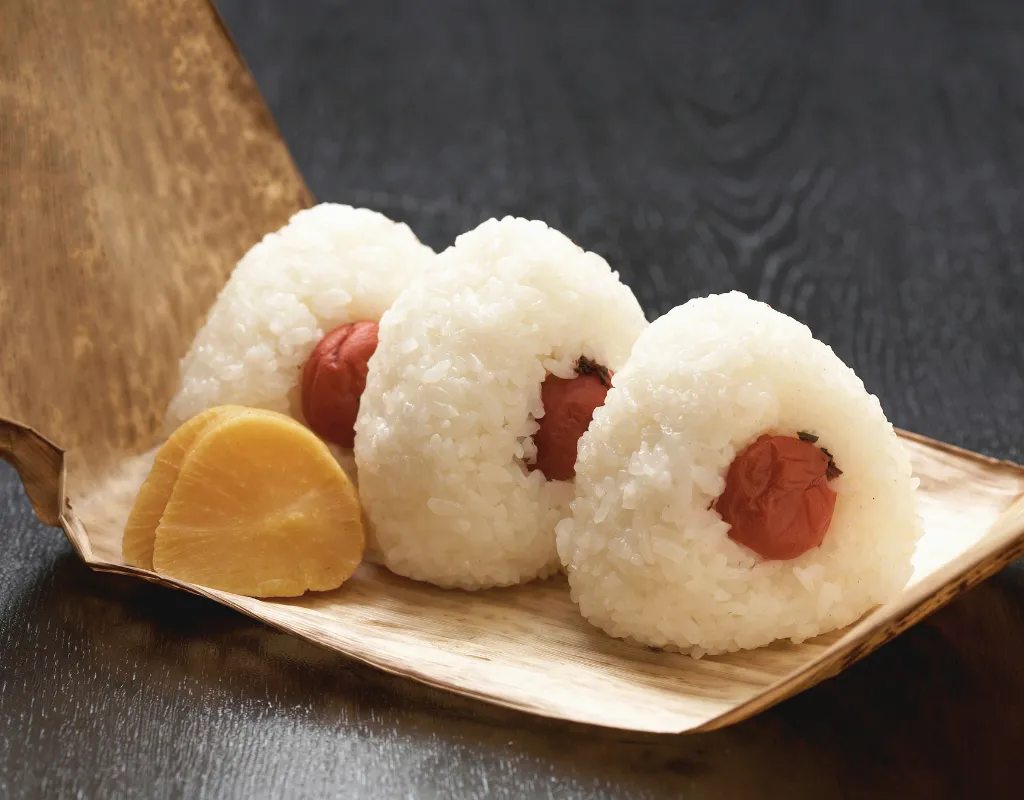
Umeboshi (梅干し, うめぼし) has been a staple of Japanese cuisine for centuries. Traditionally, it’s placed at the center of onigiri (おにぎり, rice balls) or served alongside gohan (ご飯, plain rice) to add a sharp, salty contrast. In this simple pairing, umeboshi enhances flavor and also acts as a natural preservative—especially important before refrigeration became common. One of the most iconic presentations is the Hinomaru Bento (日の丸弁当): a plain bed of white rice with a single red umeboshi in the center, resembling the Japanese flag.
2. Symbol of Health and Longevity
Umeboshi is also considered a symbol of health and long life. Thanks to its high citric acid content, it’s believed to help fight fatigue, improve digestion, and even prevent food poisoning. There’s a well-known saying in Japan: “ume wa hyaku-yaku no chō (梅は百薬の長)” — “ume is the best of all medicines.”
3. Famous Production Area: Wakayama Prefecture
When it comes to top-quality umeboshi, Wakayama Prefecture (和歌山県) stands out. Located in the Kansai region, it’s Japan’s leading producer of nankō-ume (南高梅)—a soft, large-fruited variety known for its rich taste and tender texture. Many high-end umeboshi products proudly highlight their Wakayama origins, and the region is deeply associated with ume culture.
Chapter 3: Health Benefits of Umeboshi
Umeboshi may be small, but it’s packed with nutrients that offer a range of health benefits:
Improves digestion Umeboshi helps the stomach work better and supports smoother digestion, thanks to its high content of natural acids.
Reduces fatigue It helps prevent the buildup of lactic acid in the body, which is one of the main causes of tiredness.
Boosts the immune system Umeboshi contains vitamin E, which helps the body stay strong and fight off infections.
Supports healthy blood pressure A natural compound found in umeboshi may help regulate blood pressure and support heart health.
Promotes clear and healthy skin The antioxidants in umeboshi help protect the skin from damage and support a healthy complexion.
Supplies natural minerals Umeboshi provides important minerals that help keep the body balanced and functioning well.
Tip: Umeboshi is very salty and acidic. Eating too much may upset your stomach, so it’s best to enjoy it in moderation as part of a balanced meal.
Chapter 4: Types of Umeboshi You Might Find in Stores
Umeboshi comes in many varieties. Here are the most common types you’ll see in Japanese stores, with how they’re usually written on the package:
Salty Traditional Umeboshi The classic sour and salty pickled plum. Very strong flavor. Look for:
塩分20% (enbun nijū-pāsento) — salt content about 20%
無添加 (mutenka) — no additives
昔ながらの梅干し (mukashi nagara no umeboshi) — old-style umeboshi
Honey-Flavored Umeboshi (Hachimitsu Ume) Milder and sweeter with honey. Good for beginners. Look for:
はちみつ梅 (hachimitsu ume) or 蜂蜜梅 (hachimitsu ume) — honey ume
甘口 (amakuchi) — mild flavor
塩分5〜8% (enbun go kara hachi-pāsento) — lower salt
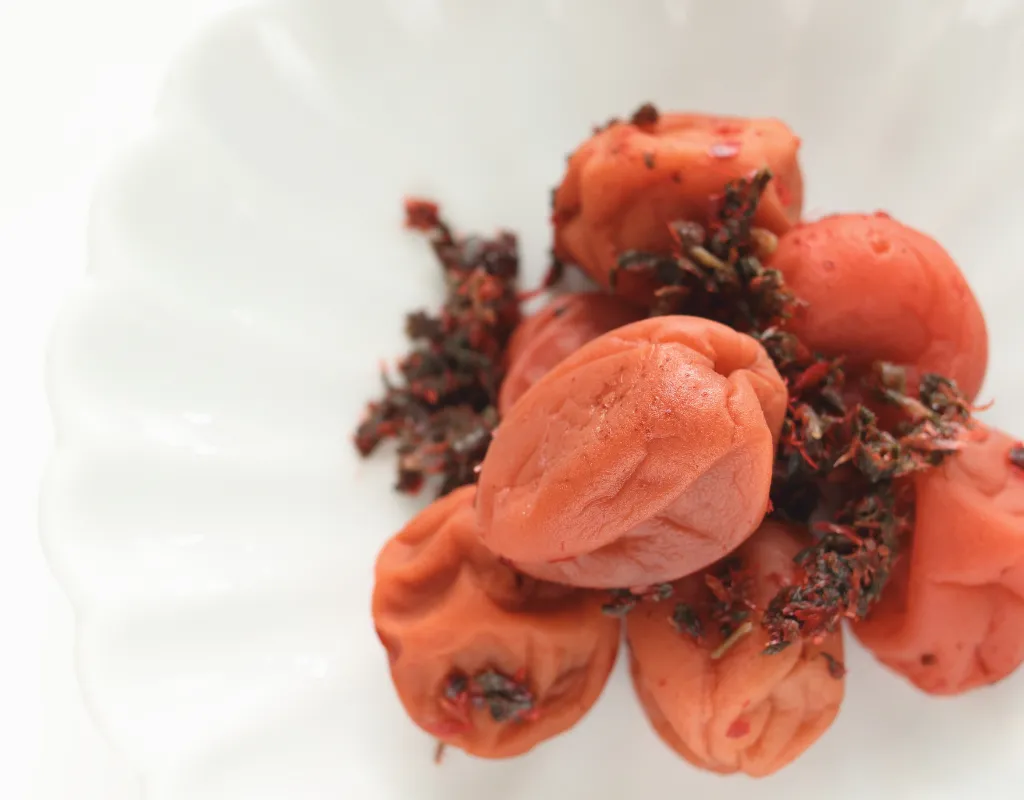
Shiso-Flavored Umeboshi Pickled with red shiso leaves, giving a red color and herbal taste. Look for:
しそ梅 (shiso ume) or 紫蘇梅 (shiso ume)
赤じそ入り (aka jiso iri) — contains red shiso
Low-Salt Umeboshi (Genen Umeboshi) Less salty for a lighter taste and health reasons. Look for:
減塩 (genen) — reduced salt
塩分3〜8% (enbun san kara hachi-pāsento) — salt content 3–8%
健康志向 (kenkō shikō) — health-conscious
Ume Paste (Neri-Ume) Mashed umeboshi in a paste form. Great as a spread or seasoning. Look for:
練り梅 (neri ume) — ume paste
チューブタイプ (chūbu taipu) — tube type
Shelf-Stable vs. Homemade-Style
Shelf-stable packs are sealed and last longer. Easy to buy in supermarkets.
Homemade-style umeboshi is often stronger in flavor and sold at local markets or specialty shops. Look for:
手作り梅干し (tezukuri umeboshi) — handmade umeboshi
天日干し (tenpiboshi) — sun-dried
和歌山産 (Wakayama-san) — from Wakayama, a famous umeboshi region
Chapter 5: How to Eat Umeboshi (with Examples)
Umeboshi has a strong flavor, but there are many easy ways to enjoy it in everyday meals. Here are some popular ways to eat umeboshi in Japan:
With plain white rice (gohan ごはん) Just place one umeboshi on a bowl of steamed rice. Its salty and sour flavor goes perfectly with plain rice.
Inside rice balls (onigiri おにぎり) A classic way to enjoy umeboshi. It’s placed in the center of a rice ball and wrapped with seaweed (nori). You can find umeboshi onigiri at most convenience stores.
In ochazuke (お茶漬け) Pour hot tea or dashi over a bowl of rice, and add umeboshi on top. It’s a light, warm dish often eaten at the end of a meal or when you’re not feeling well.
With tofu or cucumbers Umeboshi goes well with cold tofu or sliced cucumbers. Just chop it up and place on top, or mix into a light soy sauce dressing.
As a seasoning in salad dressings or marinades Umeboshi paste (neri-ume 練り梅) can be mixed into dressings for a tangy twist. It adds flavor to salads, grilled vegetables, or even chicken and fish.
With alcohol (as a snack or inside drinks) Umeboshi is often eaten with shochu (焼酎) or mixed into a drink called umeshu (梅酒), a sweet plum liqueur. You might also see umeboshi served as an otsumami (snack with alcohol).
Chapter 6: How to Store Umeboshi
Shelf-stable packs If unopened, keep them in a cool, dry place. No need to refrigerate. Check the best-before date on the package.
After opening Once opened, store in the refrigerator in an airtight container. This keeps the flavor and prevents drying out.
Homemade-style umeboshi These often have no preservatives. Store in the fridge right away and use clean chopsticks or a spoon to avoid contamination.
Ume paste (neri-ume) Comes in tubes or small containers. Always refrigerate after opening and close the lid tightly.
Tip: Umeboshi lasts a long time thanks to its salt content, but it’s best to eat it within a few months for the best taste.