The Emperor’s Birthday (天皇誕生日, Tennō Tanjōbi) is a national holiday in Japan that celebrates the birthday of the reigning emperor.
This holiday changes with each new emperor, and today, it is observed on February 23rd to honor Emperor Naruhito. In the following chapters, we’ll explore the history, celebrations, and significance of this important day.
Table of Contents
Chapter 1: What is the Emperor’s Birthday?
The Emperor’s Birthday, or 天皇誕生日 (Tennō Tanjōbi), is a national holiday in Japan celebrating the birth of the reigning emperor. In Japanese, the Emperor is called 天皇 (Tennō), and “birthday” is 誕生日 (Tanjōbi).
天皇 (Tennō): Emperor
誕生日 (Tanjōbi): Birthday
The date of this holiday changes with each emperor’s accession. Currently, it is observed on February 23rd in honor of Emperor Naruhito, who ascended the throne in 2019.
Chapter 2: Historical Background
The Emperor’s Birthday (天皇誕生日, Tennō Tanjōbi) has been a national holiday in Japan since 1948. It was first celebrated on April 29th for Emperor Shōwa (Hirohito). When a new emperor took the throne, the holiday date changed. It moved to December 23rd for Emperor Akihito and now falls on February 23rd for Emperor Naruhito.
Chapter 3: Public Celebrations at the Imperial Palace
One of the most well-known traditions of the Emperor’s Birthday is the public appearance at the Imperial Palace in Tokyo.
On this day, the Emperor and Empress usually greet the public from the balcony of the Chōwaden Reception Hall. Visitors wave Japanese flags and listen to a short address from the Emperor.
Typical Schedule
In recent years, the public appearances have been held several times in the morning. Exact times and details may change each year, so visitors should always check theImperial Household Agency’s official website before attending.
Important Notes for Visitors
Large crowds are common
Long waiting times are expected
Security checks are conducted
Entry is free, but access may be limited
Chapter 4: How to Enjoy the Area Around the Imperial Palace
Visiting the Imperial Palace on the Emperor’s Birthday is a memorable experience. To make the most of the day, it is worth spending time in the surrounding area, which offers beautiful walks, convenient accommodation, and a wide range of dining options.
4.1 Take a Walk Around the Imperial Palace
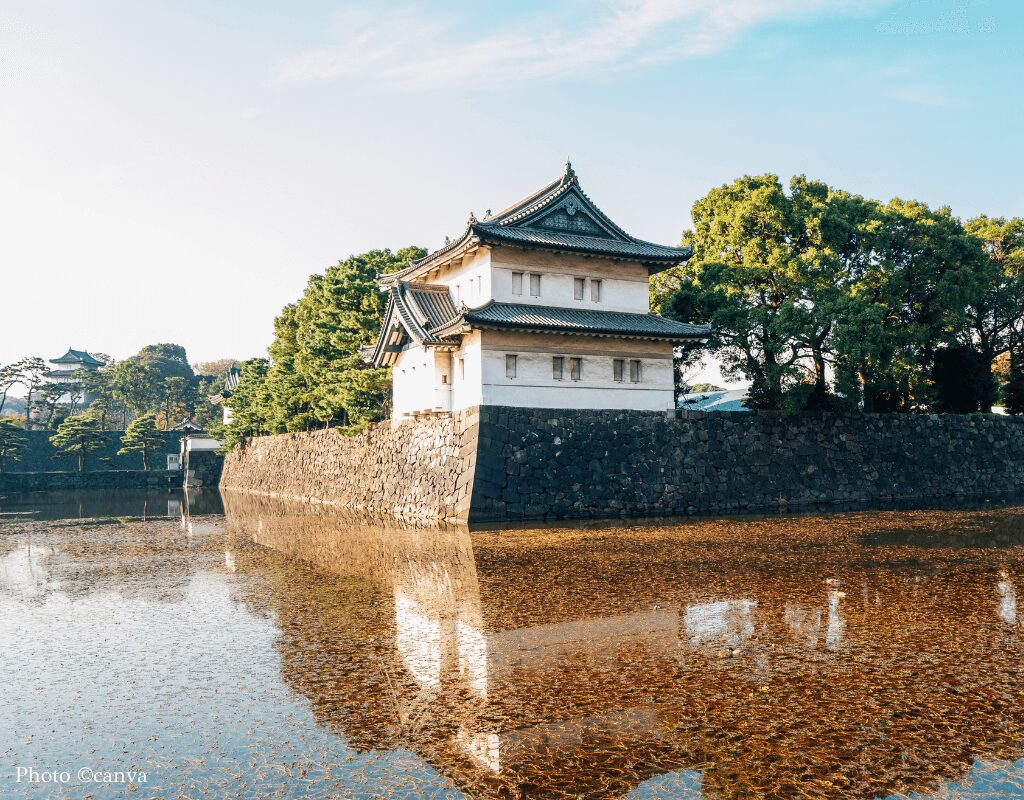
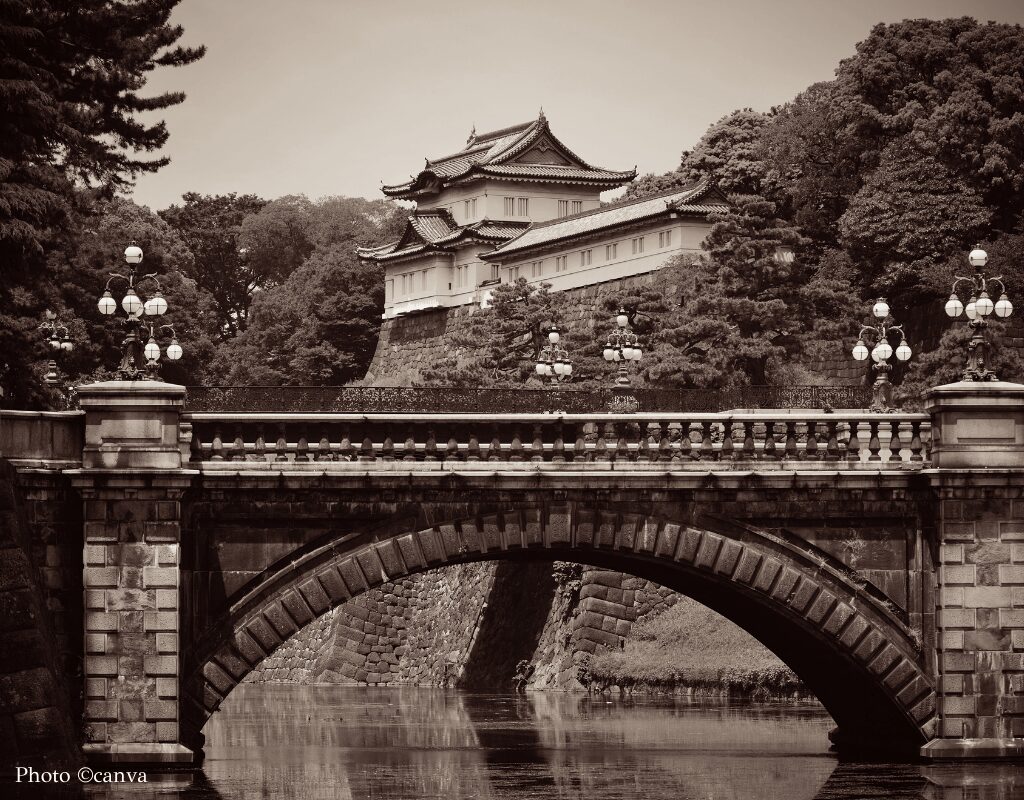
The Imperial Palace is surrounded by spacious walking paths and greenery, making it one of the most pleasant places to walk in central Tokyo. The contrast between historic stone walls, moats, and modern office buildings creates a unique atmosphere.
The East Gardens of the Imperial Palace are open to the public on most days and are especially popular with visitors who want to experience a quieter side of Tokyo. Please note that access may be restricted on national holidays or special occasions, so checking official information in advance is recommended.
4.2 Where to Stay Near the Imperial Palace
If you plan to visit the Imperial Palace on February 23, staying nearby can make the day much more comfortable. Due to large crowds and security checks, accommodation within walking distance or a short train ride can help reduce waiting time and stress.
The Imperial Palace is located near major areas such as Tokyo Station, Otemachi, and Hanzomon, all of which offer a wide range of hotels suitable for different travel styles.
4.3 Dining and Cafés Around Marunouchi and Tokyo Station
The Marunouchi and Tokyo Station areas are known for their wide variety of restaurants and cafés, ranging from casual dining to high-end cuisine. Many establishments are foreigner-friendly and offer English menus, making them convenient for international visitors.
Popular complexes such as Marunouchi Building (Maru Biru) and Shin-Marunouchi Building feature numerous restaurants with views of the Imperial Palace and Tokyo Station. These buildings are especially convenient for lunch or dinner before or after visiting the Imperial Palace.
In addition, many hotels in the area offer high-quality dining options, including hotel lounges, buffet restaurants, and fine dining experiences. Hotel restaurants are often a comfortable choice for visitors who prefer a relaxed atmosphere and English-friendly service.
Tokyo Station’s underground shopping and dining areas are particularly useful during winter. Visitors can enjoy a wide selection of restaurants, cafés, and food halls without being affected by cold weather, making it easy to plan meals throughout the day.