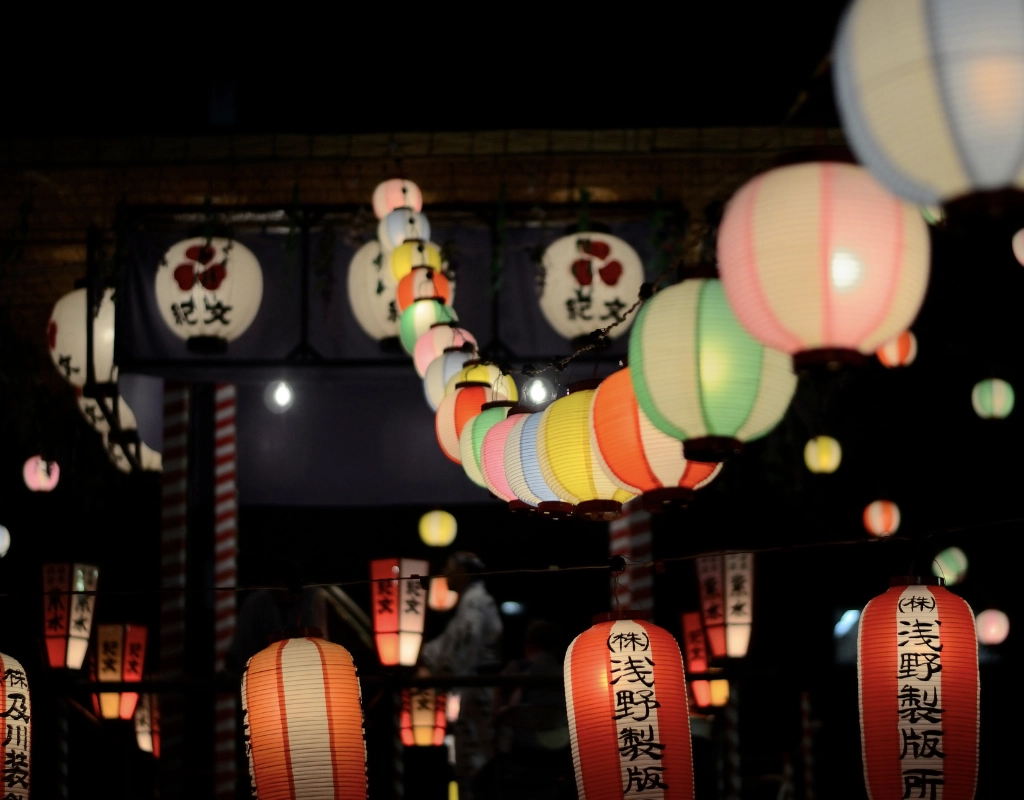


What is Obon Holiday in Japan? You might hear keywords like “帰省ラッシュ” (Kisei Rasshu) or see sets of cucumbers and eggplants in the supermarket. This guide will explain the meaning of the Obon holiday, share the dates for 2024 with congestion predictions, and describe the customs you can observe during this time of year.
If you are interested to see other how to guide, please take a look at below.
Table of Contents
What is Obon Holiday?
Obon is a traditional Japanese event to welcome and send off ancestors’ spirits. It typically takes place from mid-July to mid-August. During this time, activities like visiting graves and Bon dances are held, bringing families together to remember and honor their ancestors.
Especially in cities like Tokyo, there’s a noticeable “homecoming rush” as people return to their hometowns. This is called “帰省ラッシュ / Kisei Rasshu, in Japan. Many businesses and schools close during this period, making it a significant time for families to reunite.
| Japanese | Romaji | English |
|---|---|---|
|
お盆 |
obon |
Obon holidays |
|
帰省ラッシュ |
Kisei Rasshu |
Holiday traffic |

There are two Obon seasons in Japan. Shinbon (新盆), mainly observed in parts of Tokyo and eastern Japan, typically takes place from July 13th to 16th. In contrast, most regions follow Kyubon (旧盆), which occurs from August 13th to 16th.
In 2024, Shinbon is from July 13th (Sat) to July 16th (Tue), while Kyubon falls between August 13th (Tue) and August 16th (Fri).
In 2025, Shinbon will be from July 13th (Sun) to July 16th (Wed), and Kyubon will be from August 13th (Wed) to August 16th (Sat).
In 2026, Shinbon is expected from July 13th (Mon) to July 16th (Thur), and Kyubon from August 14th (Fri) to August 16th (Sun).
Many people take paid leave during Obon, sometimes combining weekends and public holidays to enjoy up to 9 consecutive days off. This period is one of the busiest times for travel in Japan.
Obon 2024
| Type | Date | Days | Notes |
|---|---|---|---|
|
Shinbon |
July 13th–16th, 2024 |
Sat–Tue |
Observed in parts of Tokyo |
|
Kyubon |
August 13th–16th, 2024 |
Tue–Fri |
Most common nationwide |
Obon 2025
| Type | Date | Days | Notes |
|---|---|---|---|
|
Shinbon |
July 13th–16th, 2025 |
Sun–Wed |
Observed in parts of Tokyo |
|
Kyubon |
August 13th–16th, 2025 |
Wed–Sat |
Most common nationwide |
Obon 2026
| Type | Date | Days | Notes |
|---|---|---|---|
|
Shinbon |
July 13th–16th, 2025 |
Mon–Thu |
Observed in parts of Tokyo |
|
Kyubon |
August 14th–16th, 2026 |
Fri–Sun |
Starts slightly later than usual |
Congestion prediction on Expressway in 2026
According to NEXCO, the organization responsible for managing highways, service areas, and parking areas nationwide, the traffic forecast is as follows:
- The peak outbound traffic is expected on Thursday, August 13th.
- Inbound traffic towards Tokyo is forecasted to peak on Saturday, August 15th.
Please note that during this period, holiday discounts will not apply to avoid worsening congestion.
| Direction | Direction | Road | Peak time | Traffic Jam Length | Starting Area |
|---|---|---|---|---|---|
|
Eastern japan |
Outbound |
Tohoku Expressway |
Aug 13th, Thur 11:00 |
35-kilometer |
Yaitakita Parking Area |
|
Inbound |
Kanetsu Expressway |
Aug 15th, Sat 18:00 |
40-kilometer |
Sakadonishi Smart IC |
|
|
Central Japan |
Outbound |
Chuo Expressway |
Aug 13th, Thur 6:00 |
45-kilometer |
Sagamiko IC |
|
Inbound |
Chuo Expressway |
Aug 15th, Sat 16;00 |
30-kilometer |
Kobotoke tunnel |
|
|
Western Japan |
Outbound |
Meishin Expressway |
Aug 13th Thur 17:00 |
20-kilometer |
Kyu Yamashina BS |
|
Inbound |
Meishin Expressway |
Aug 13th, Thur 17:00 |
20-kilometer |
Ootsu IC |
|
|
Honshu-Shikoku |
Outbound |
Kobe-Awaji-Naruto Expressway |
Aug 14th, Fri 10:00 |
15-kilometer |
Awaji IC |
|
Inbound |
Kobe-Awaji-Naruto Expressway |
Aug 14th, Fri 16:00 |
15-kilometer |
Awaji IC |
|
Source: Nexco Central Japan
What is the Custom of Obon?
1. Mukaebi / Okuribi
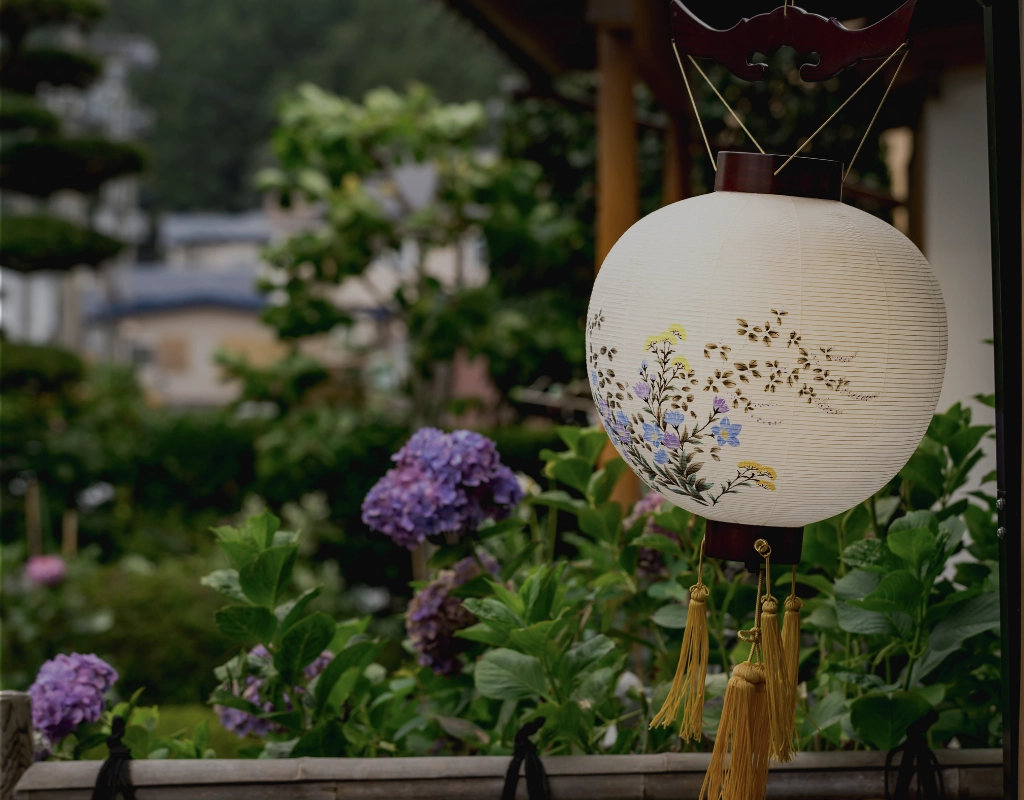
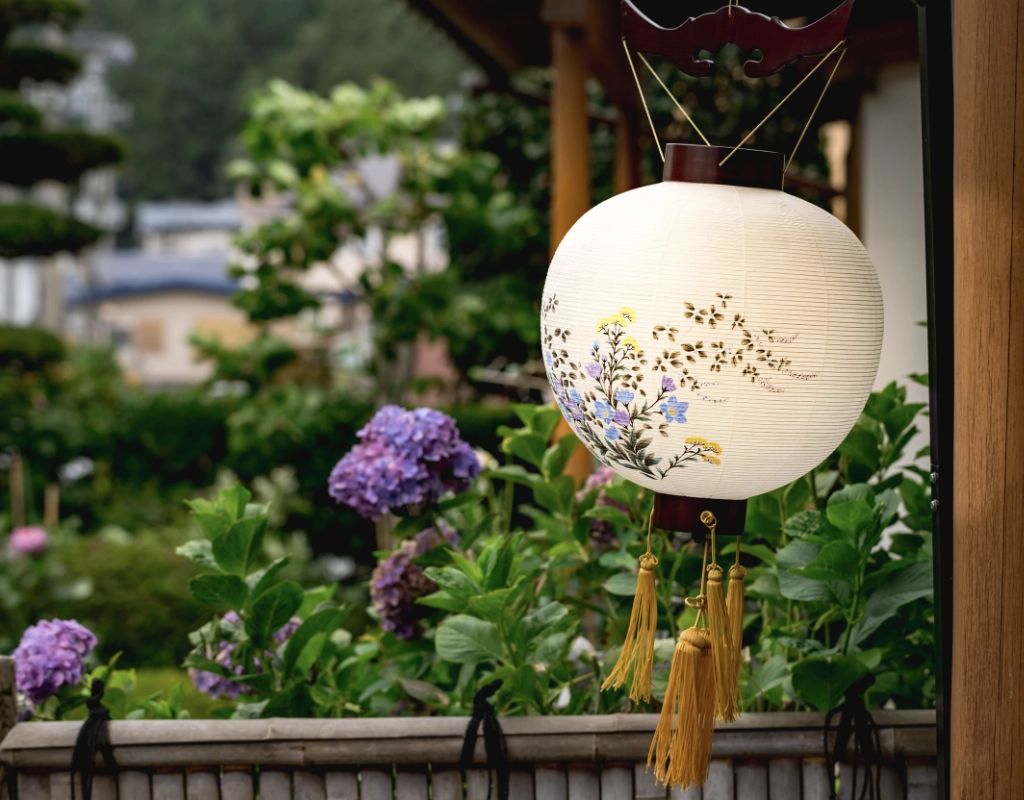
Obon is the time when ancestors return home. To help their spirits find their way, people light “Mukaebi” (welcoming fires) at the entrance of homes or at gravesites. The practice varies by region and religion. For example, some people bring back the light from the cemetery or temple using their own lantern.
In modern times, especially in apartments where handling fire is restricted, many households use battery-operated Obon lanterns instead. “Okuribi” (sending-off fires) are lit to guide the ancestors back to the afterlife.
2. 精霊馬 (Shouryouma)
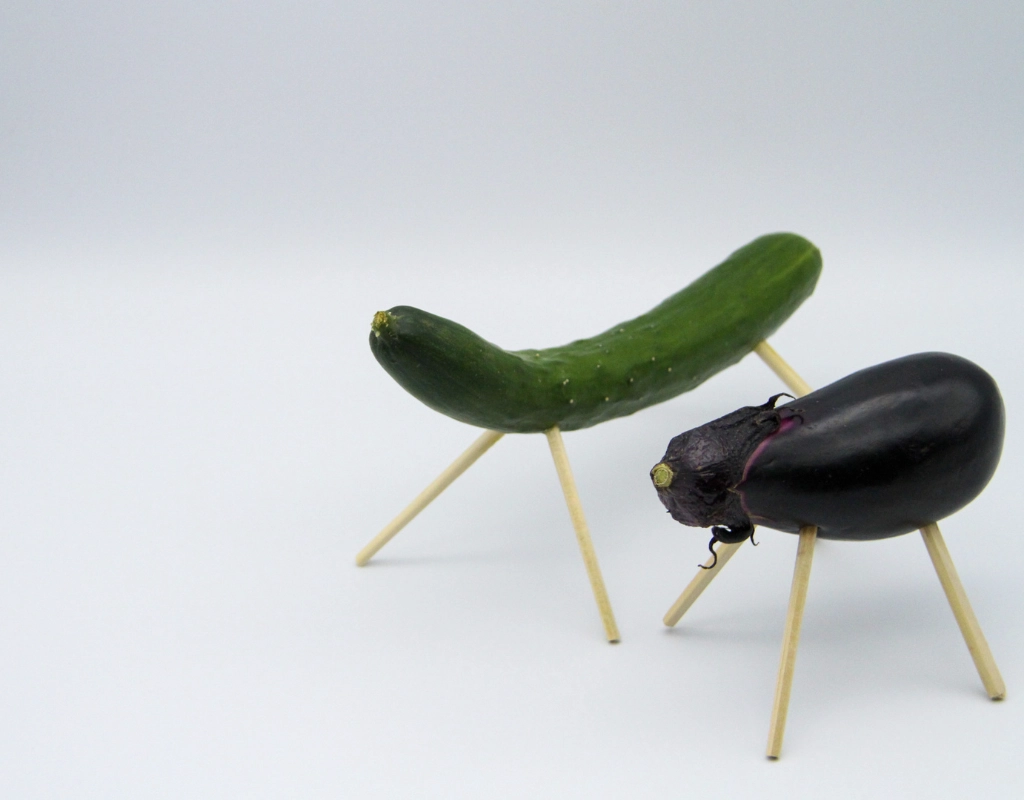
精霊馬, represented by cucumber horses and eggplant cows, are offerings symbolizing different modes of transport for ancestors. The cucumber horse allows ancestors to return quickly, while the eggplant cow helps them slowly return to the afterlife. These items are commonly sold at supermarkets, so you might see them often during this season.
3. お墓参り (Ohakamairi)
In Japan, visiting the family grave is called お墓参り (Ohakamairi). It is common to go with family members. While customs vary by region, many people visit the grave on the first day of Obon to welcome their ancestors.
4. 盆踊り (Bon-odori)
During Obon, you may see many people wearing yukata and participating in festivals. Bon-odori, a traditional dance dating back to the Muromachi period, originally served to comfort spirits and send off ancestors’ souls. Often accompanied by festival stalls and celebrations, Bon-odori offers a unique glimpse into Japanese culture, making it worth experiencing at least once.